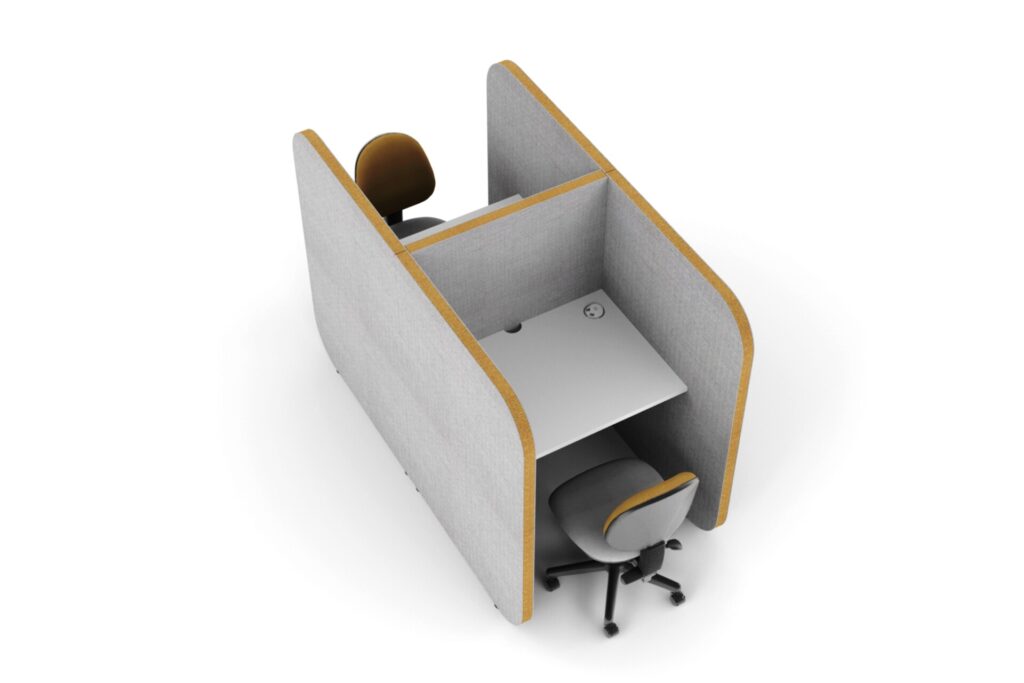
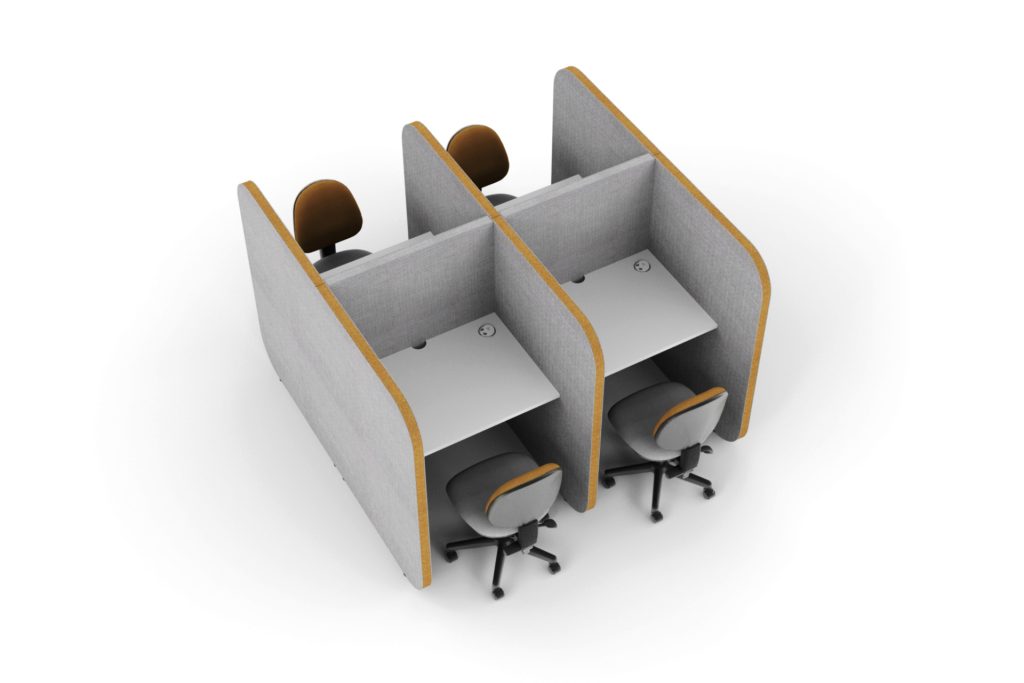
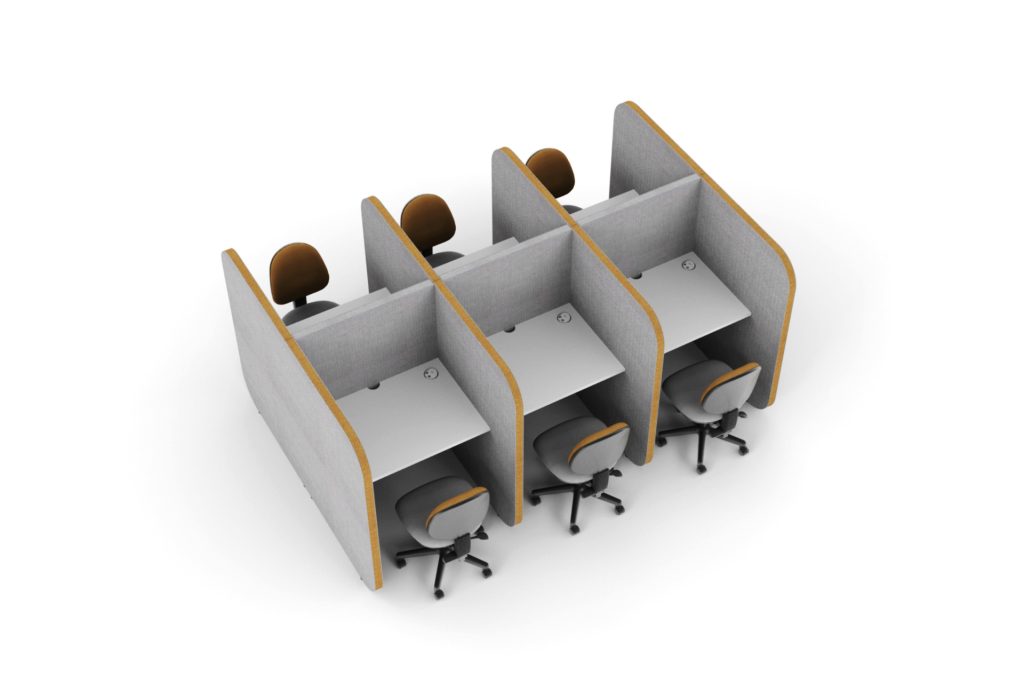
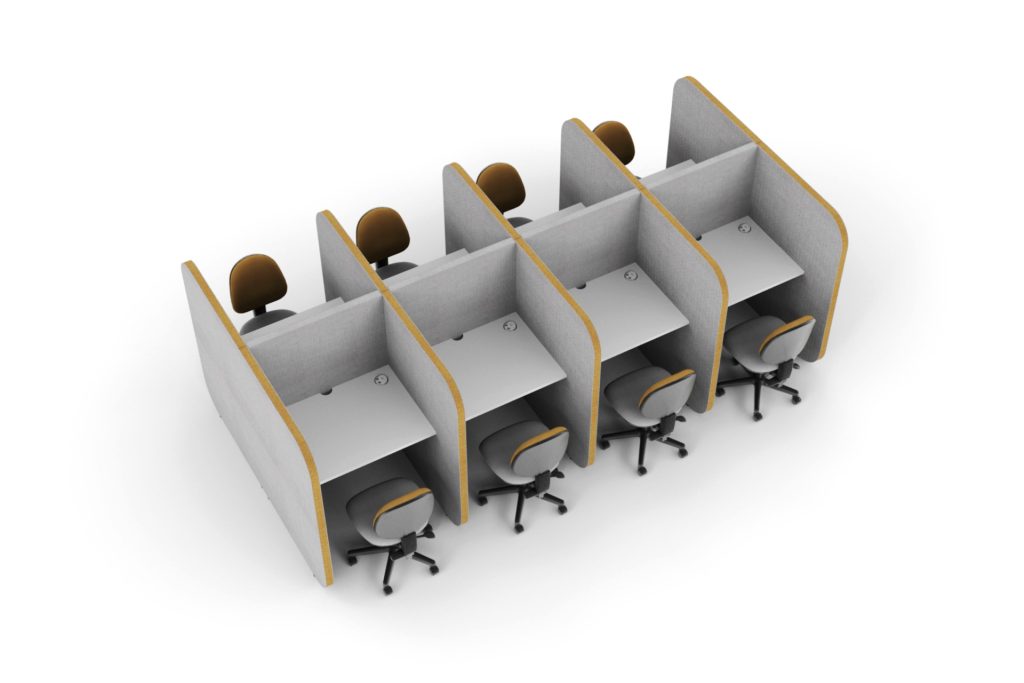
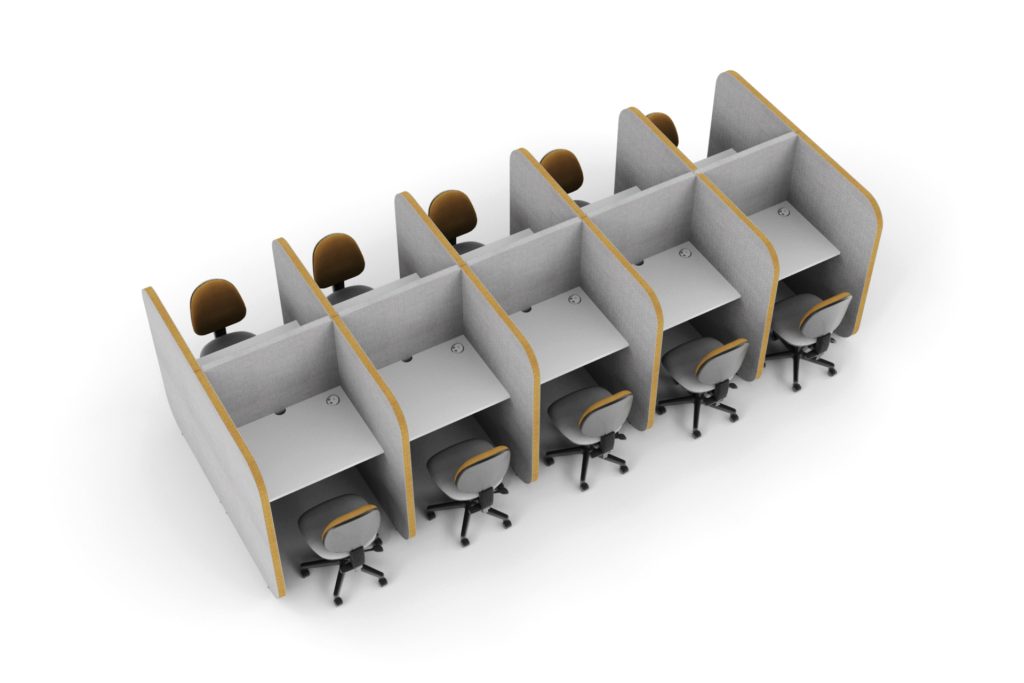
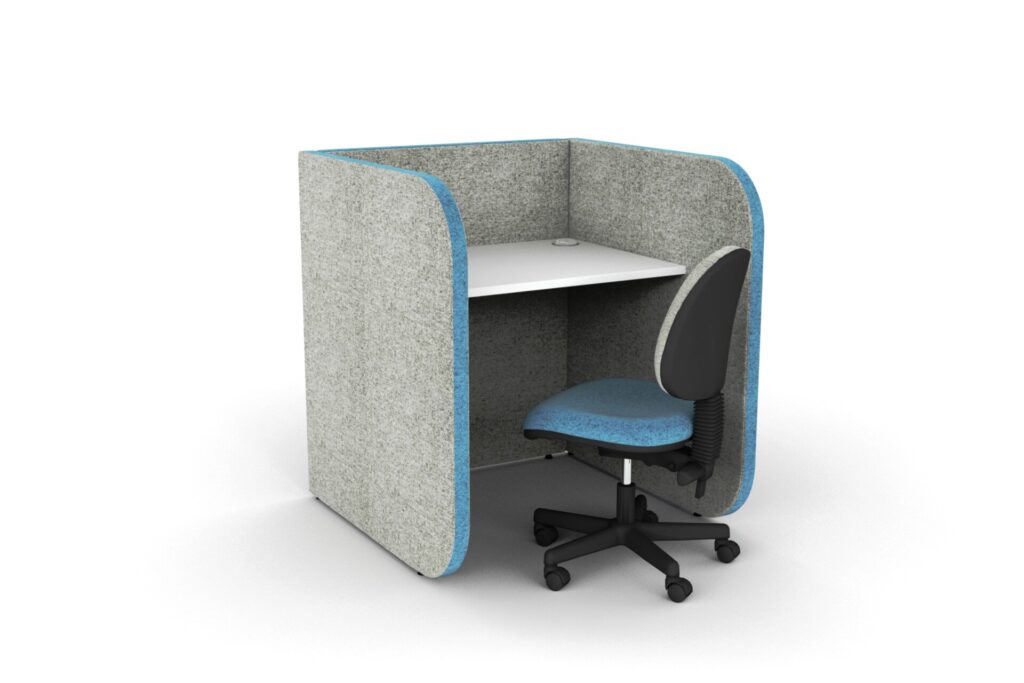
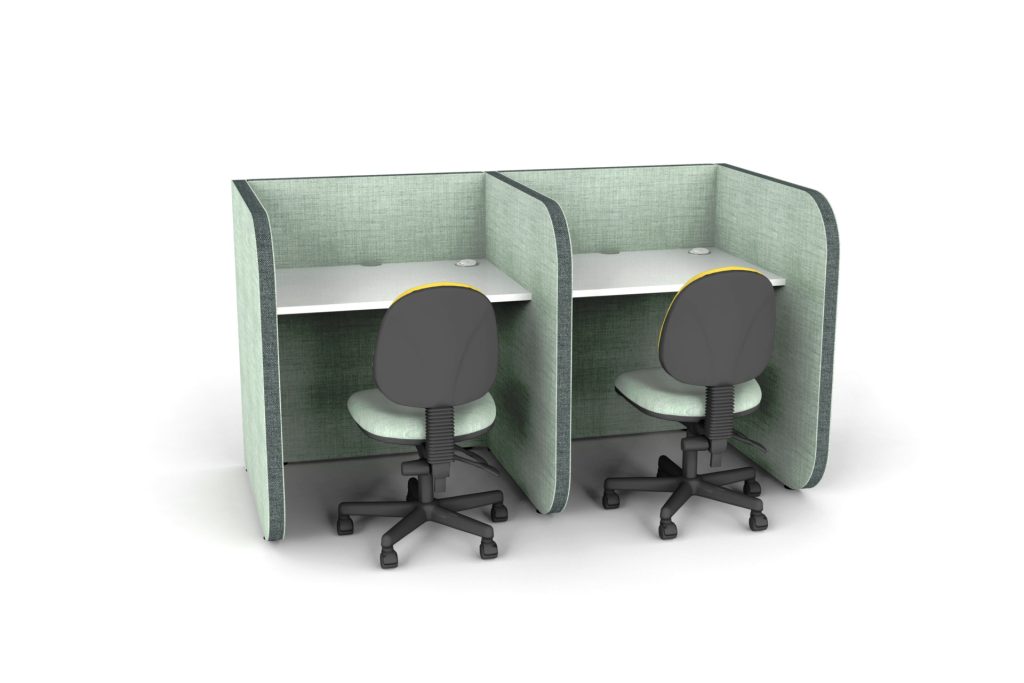
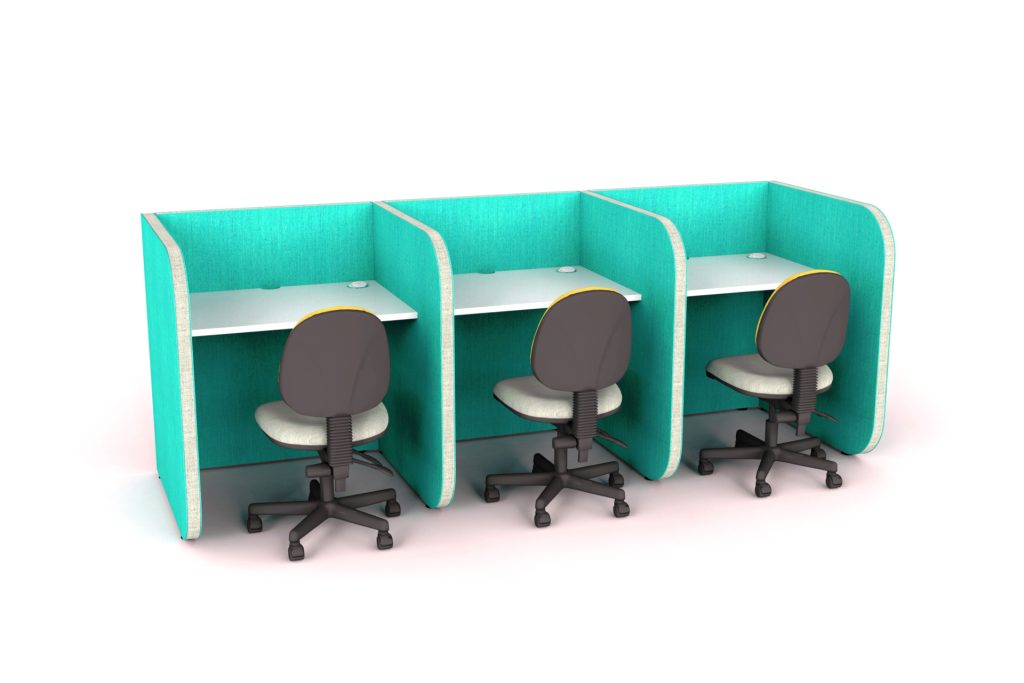
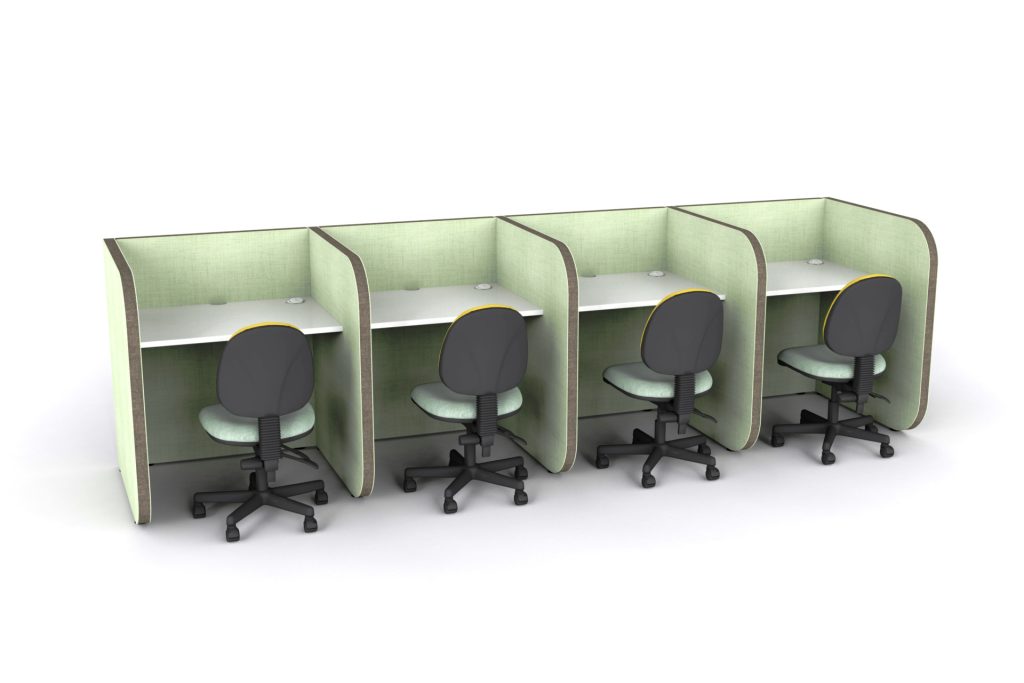
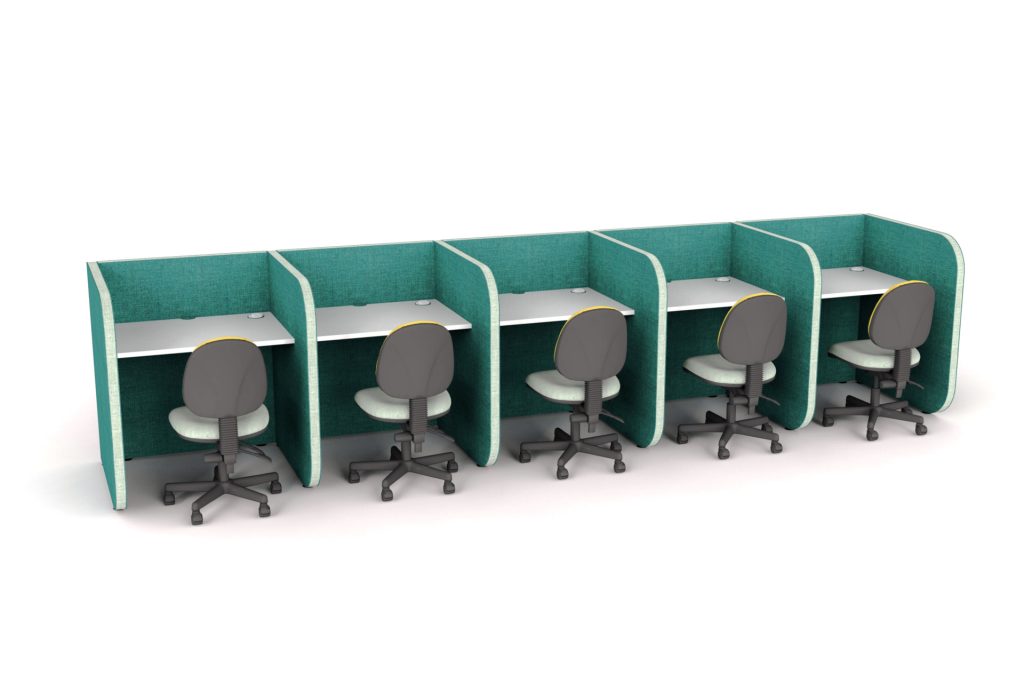
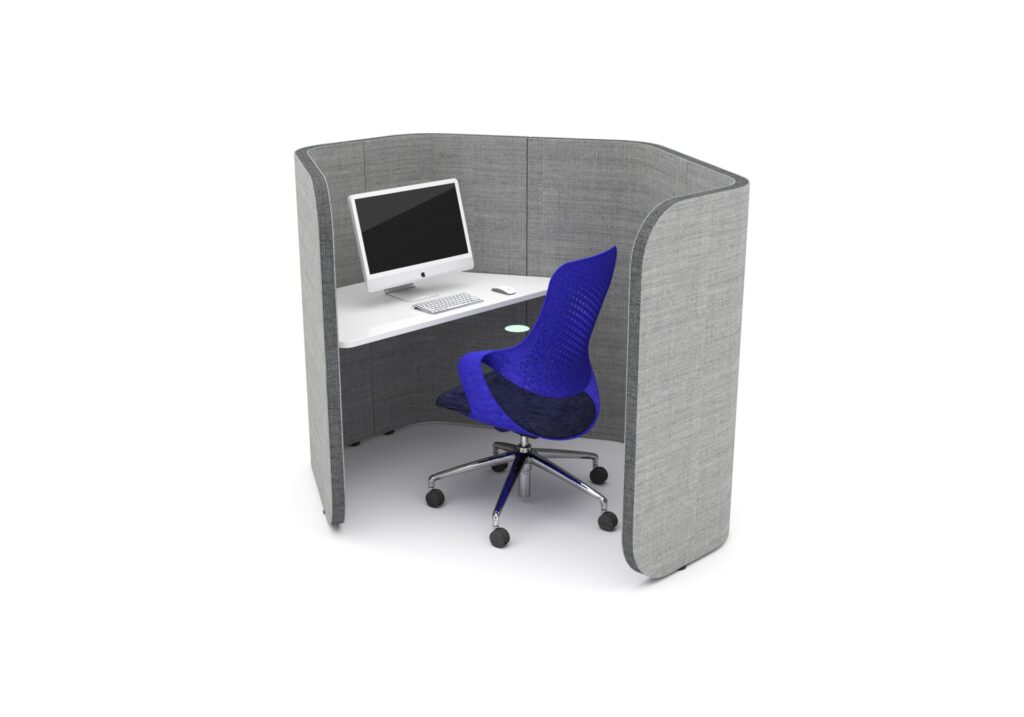
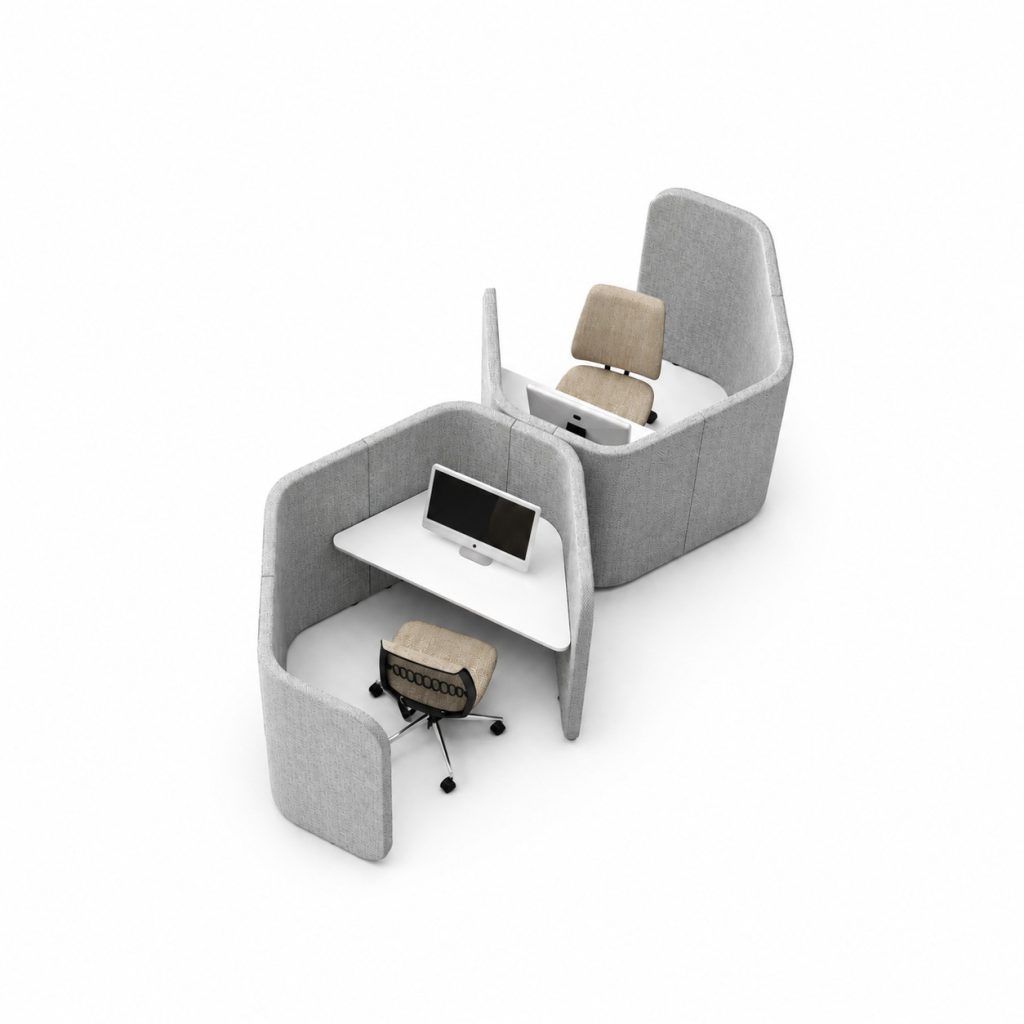
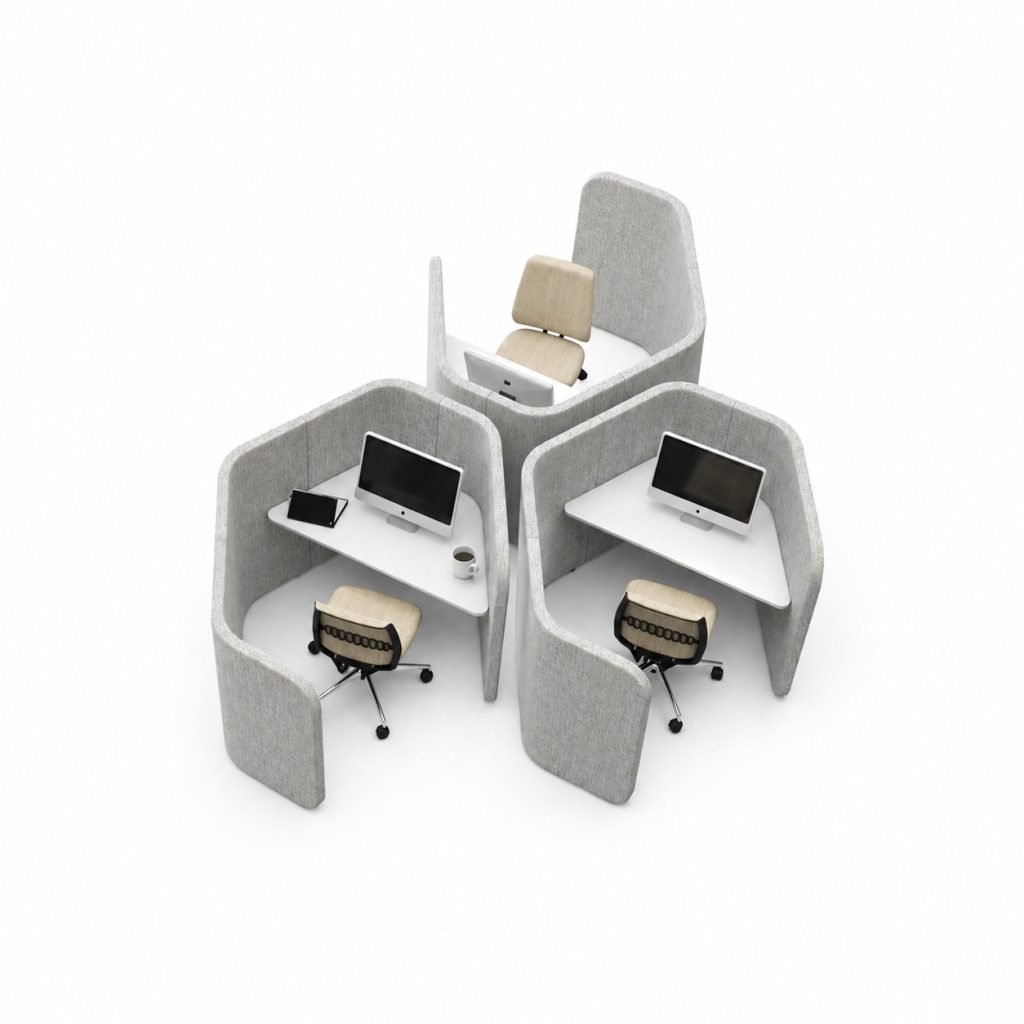
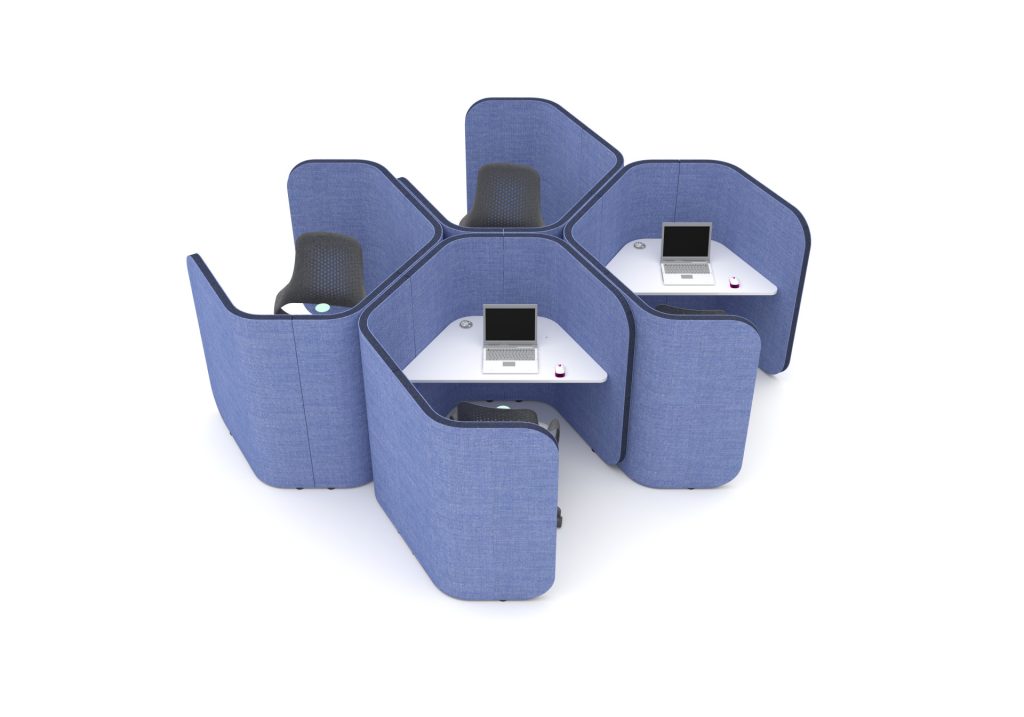
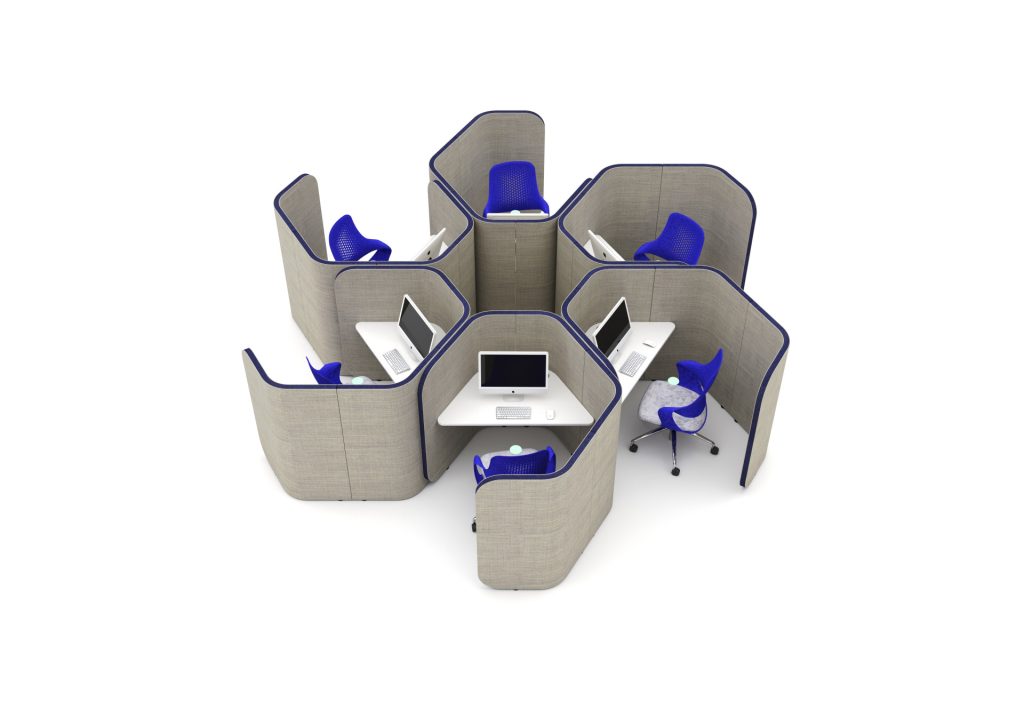
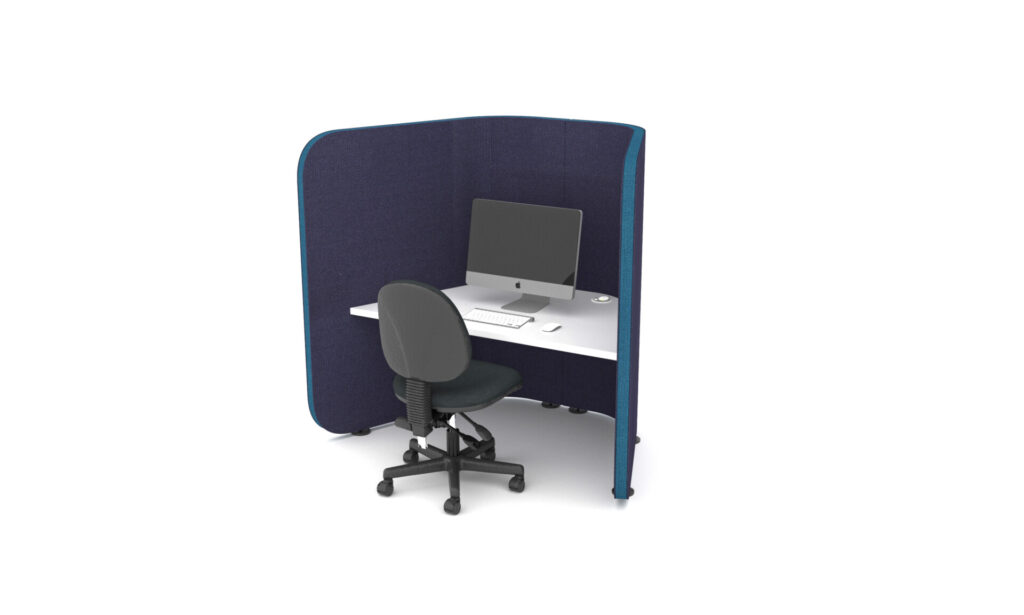
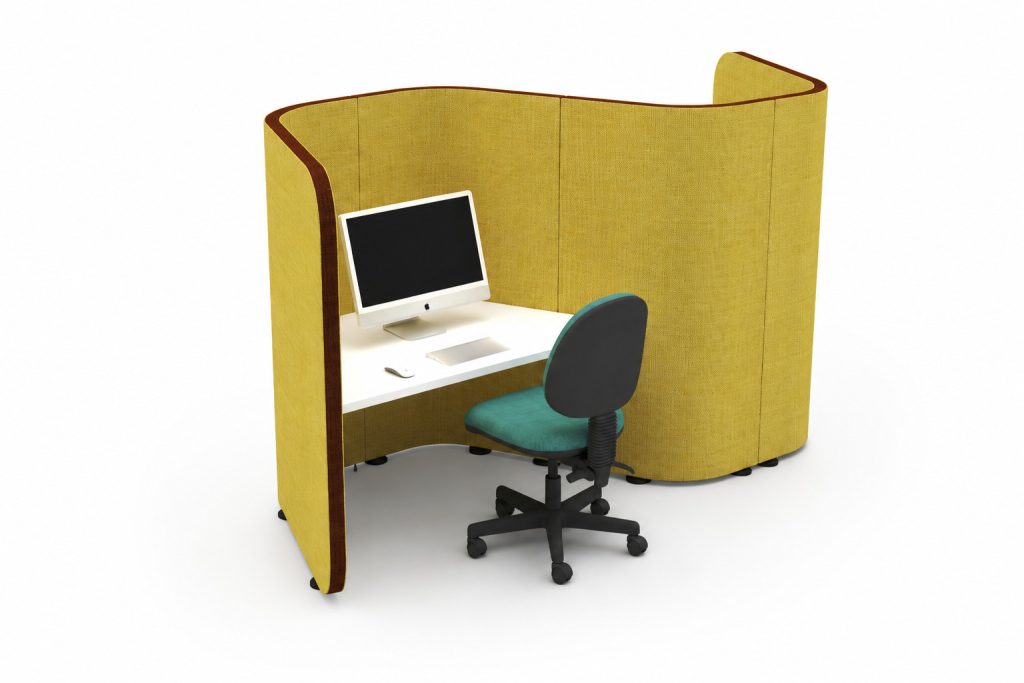
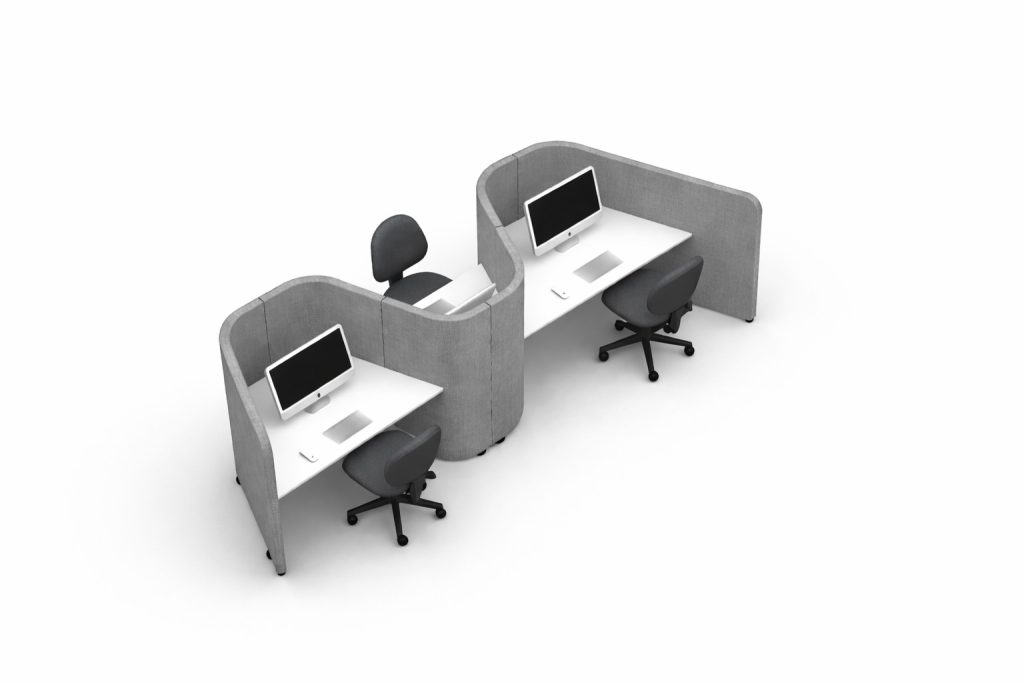
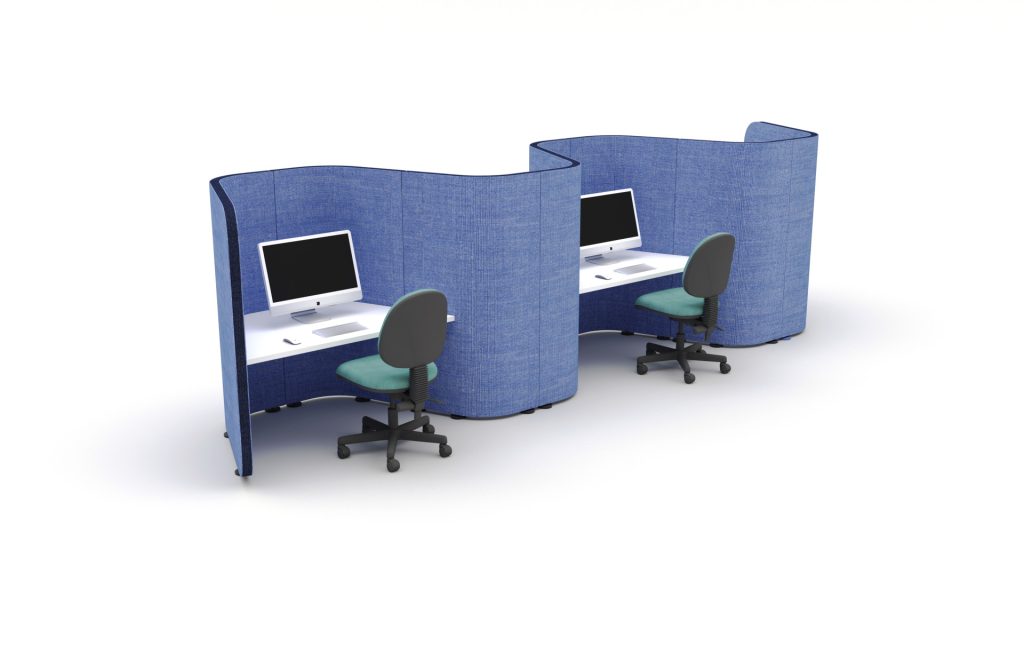
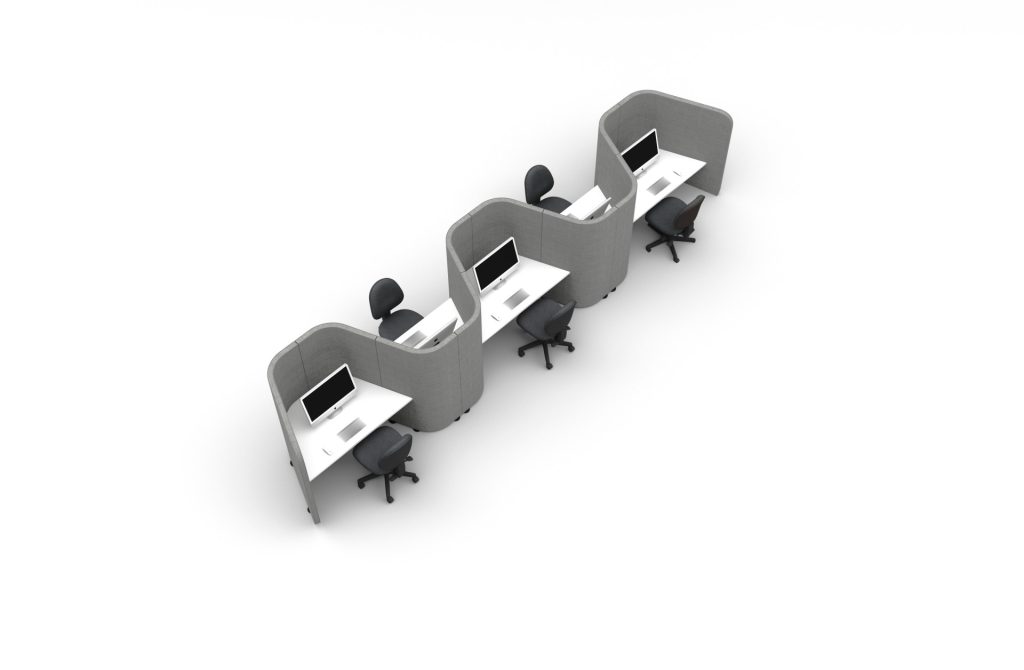
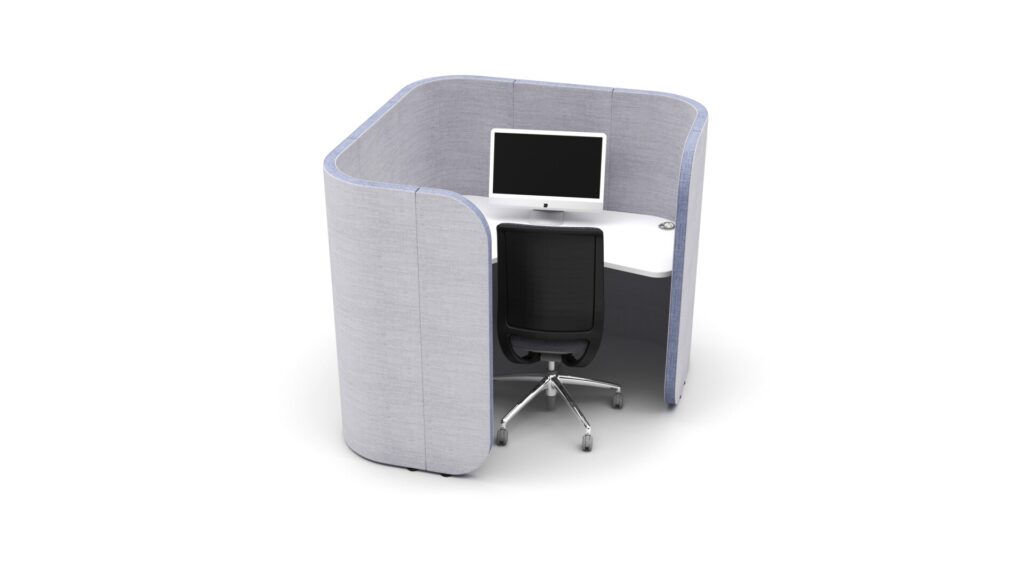
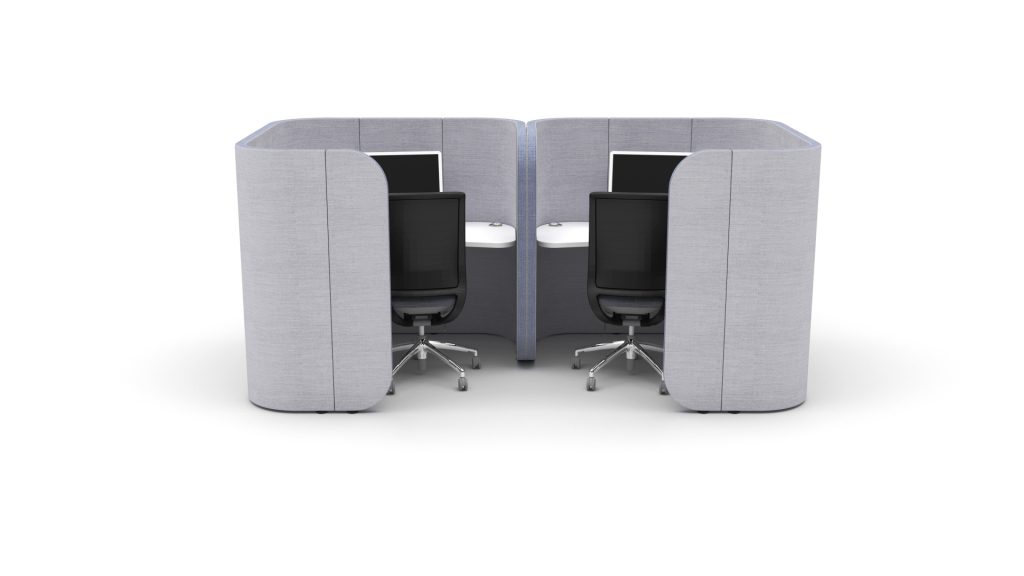
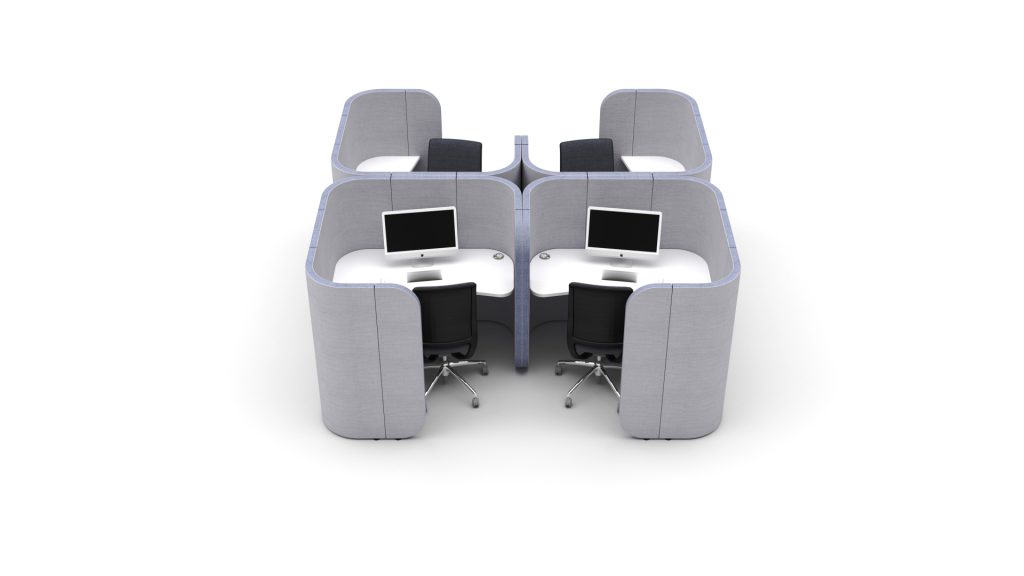
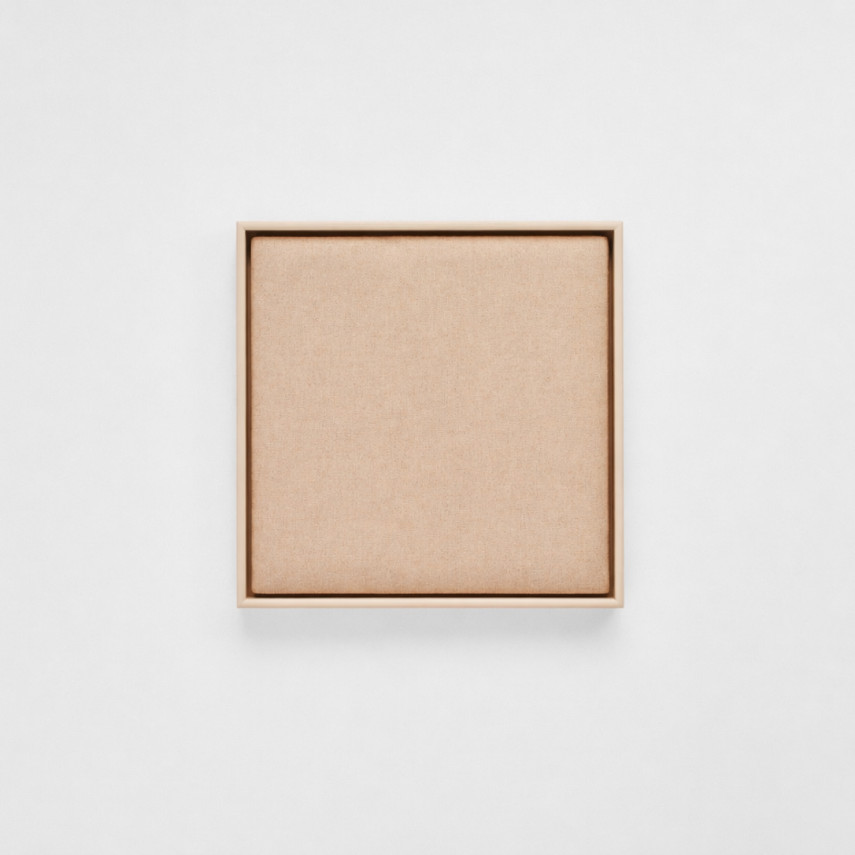
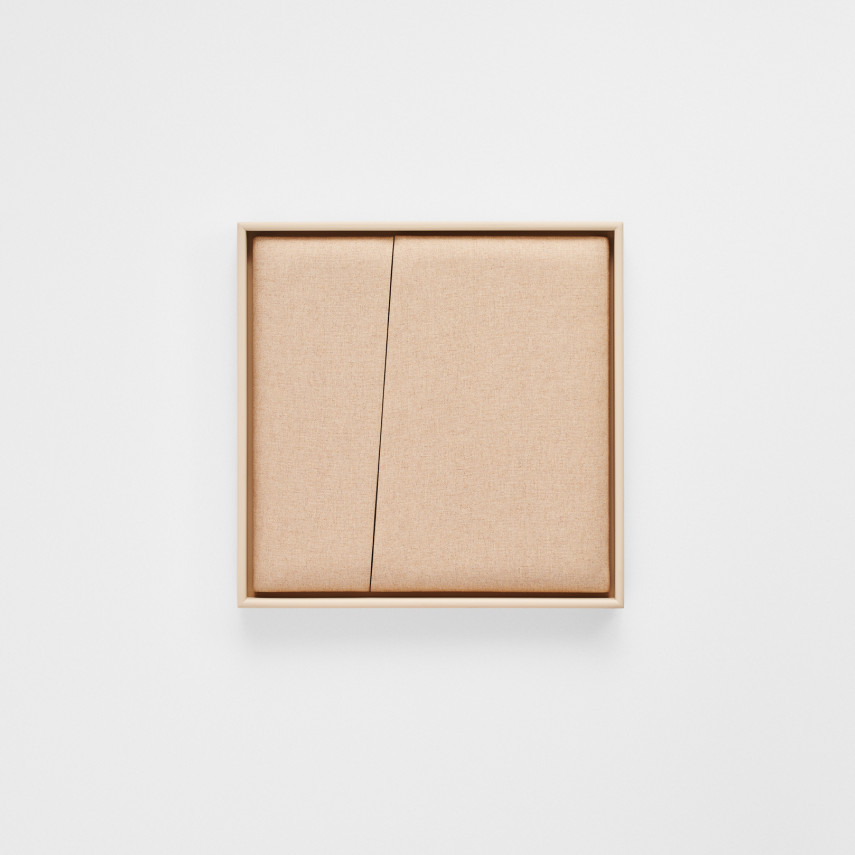
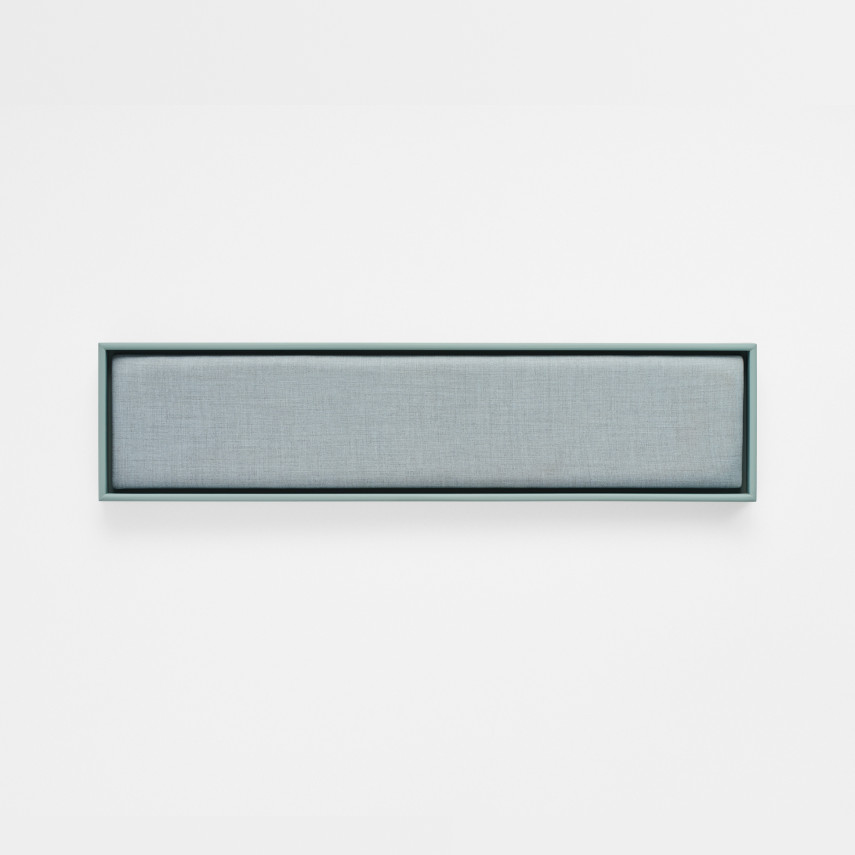
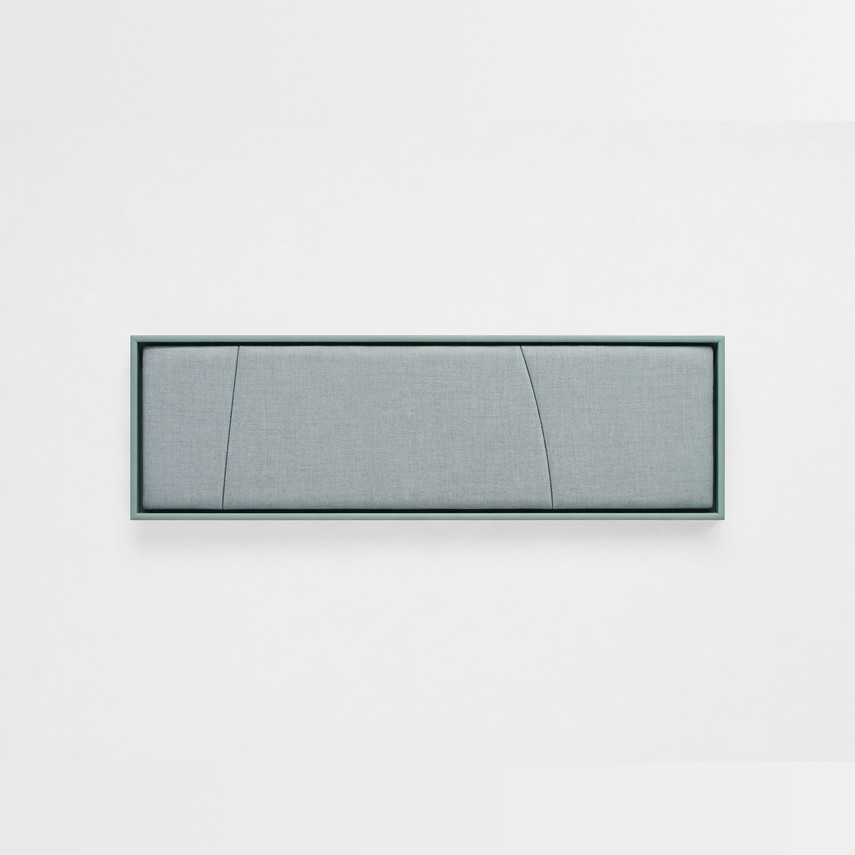
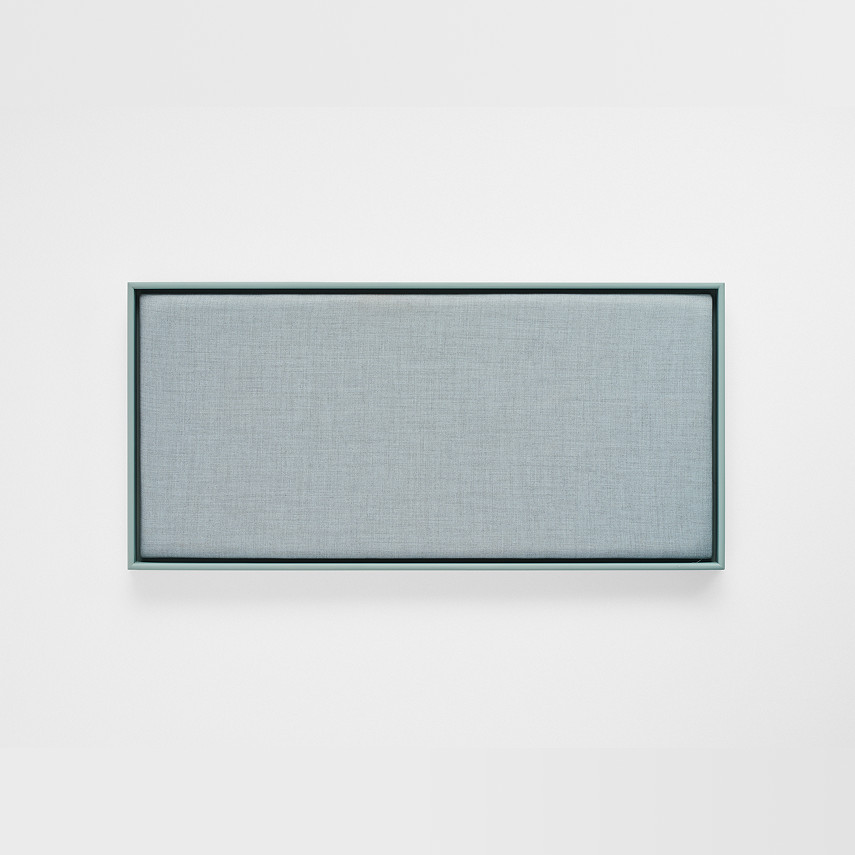
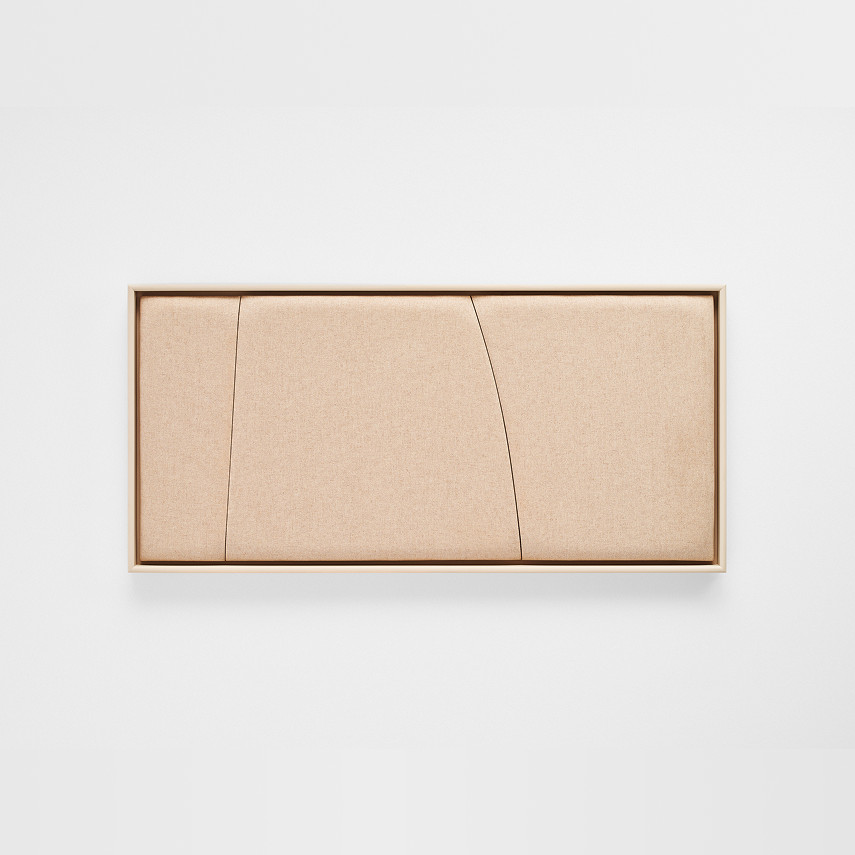
Sound shapes how we think, focus and feel. In open-plan offices, uncontrolled reverberation creates invisible stress – fragmenting concentration and draining cognitive energy. Our acoustic panels for office environments absorb sound reflections at source, transforming chaotic soundscapes into spaces where people can actually think. Crafted from tactile, high-performance materials, these elements work as hard visually as they do acoustically.
Every hard surface in an office reflects sound. Conversations bounce off glass partitions, footsteps echo from polished floors, and the cumulative effect is a persistent background hum that the brain must constantly filter. This filtering consumes mental resources – the same resources needed for complex thinking, creative problem-solving and sustained attention. For the one in five people who experience sensory processing differences, this acoustic overload can make focused work nearly impossible. Acoustic screens for office spaces intercept these reflections before they compound, reducing reverberation time and creating pockets of relative calm within busy environments.
Effective acoustic treatment isn’t about covering every surface – it’s about strategic placement where sound problems originate and where concentration matters most. Acoustic wall panels in office settings work best when positioned near noise sources, around collaborative zones, or behind workstations where speech intelligibility is critical. The goal is balance: enough absorption to reduce fatigue, but not so much that spaces feel unnaturally dead. Our panels integrate seamlessly with furniture systems or stand alone as architectural elements, available in configurations that complement rather than compete with your interior vision.
Consider both the acoustic challenge and the human experience. Freestanding screens offer flexibility for evolving layouts. Wall-mounted panels provide permanent treatment without consuming floor space. Furniture-integrated options address sound at desk level, where it affects individuals most directly. Material texture, colour and form all contribute to how a space feels – soft geometries and monochromatic palettes tend to signal calm, supporting the acoustic function with visual quietude. When specifying, think about who will use the space, what tasks they’ll perform, and how sound currently moves through the environment.
Coverage depends on room size, ceiling height, existing surfaces and the level of acoustic control required. As a starting point, treating 15–25% of wall surface area typically produces noticeable improvement in speech clarity and reduced reverberation. We recommend an acoustic assessment to identify priority zones.

Acoustic panels absorb sound within a space, reducing echo and reverberation. They don't block sound transmission between rooms – that requires mass and isolation. Our panels are designed to improve acoustic comfort within open environments, not to create sound barriers.
Yes. We offer a range of fabrics, finishes and dimensions, and our in-house manufacturing allows for bespoke solutions tailored to your brand identity and spatial requirements. Panels can be specified to complement existing furniture or architectural elements.
Focus on areas where sound originates – near meeting zones, collaborative spaces and circulation routes – and where concentration is needed most, such as behind or beside focused workstations. Ceiling and wall junctions are often overlooked but highly effective locations.
Absolutely. Reducing ambient noise and reverberation directly supports people with sensory sensitivities, ADHD and autism, helping create environments where diverse minds can do their best work. Acoustic comfort is a foundational element of neuro-inclusive workspace design.