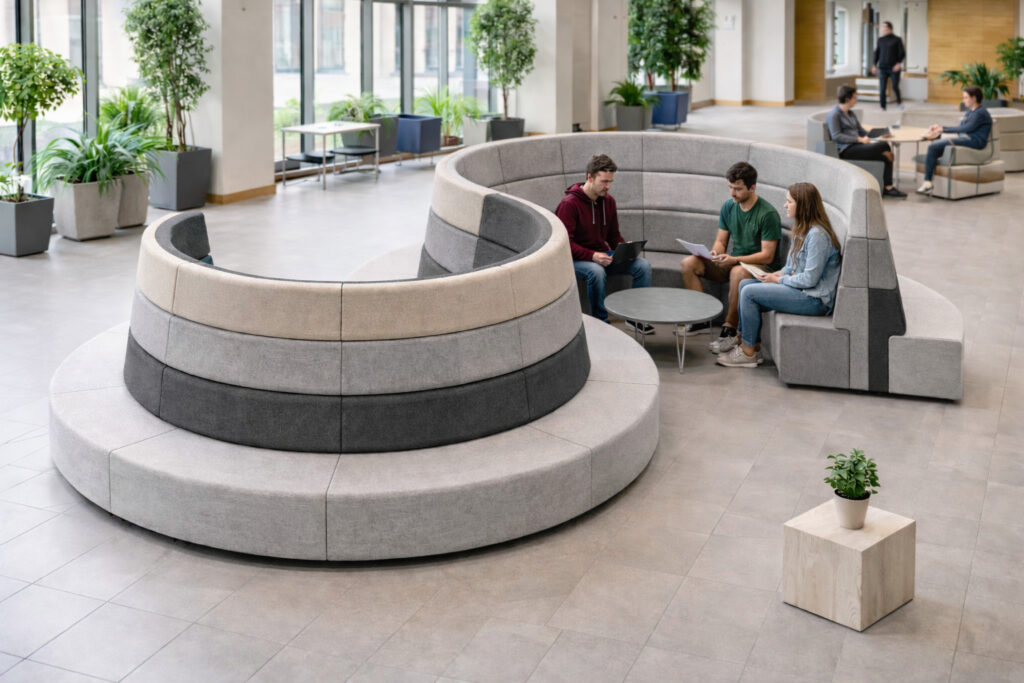
Staff room

The staff room is where people step away from tasks and return to themselves. Thoughtfully designed common room furniture creates space for genuine rest – a place to eat, talk, or simply breathe between demands. When these moments feel comfortable and unhurried, people return to work restored. Staff room furniture should be durable enough for daily use, easy to maintain, and warm enough to feel like a true pause from the working day.

Filters

collections
Collection
spaces
Spaces / destination
funcionality
Funcionality
Soma AD-02 modular office storage cabinet with open shelving

AD-02

Soma

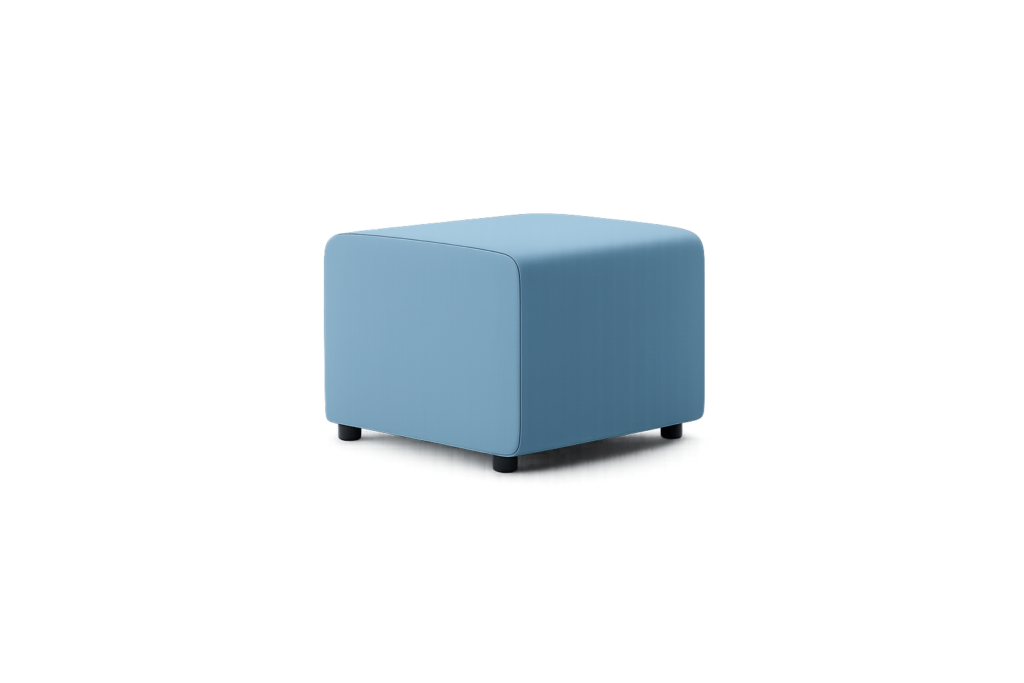
ALL 01 Ally modular breakout seating cube in upholstered finish — 2020 Furniture

ALL 01

Ally

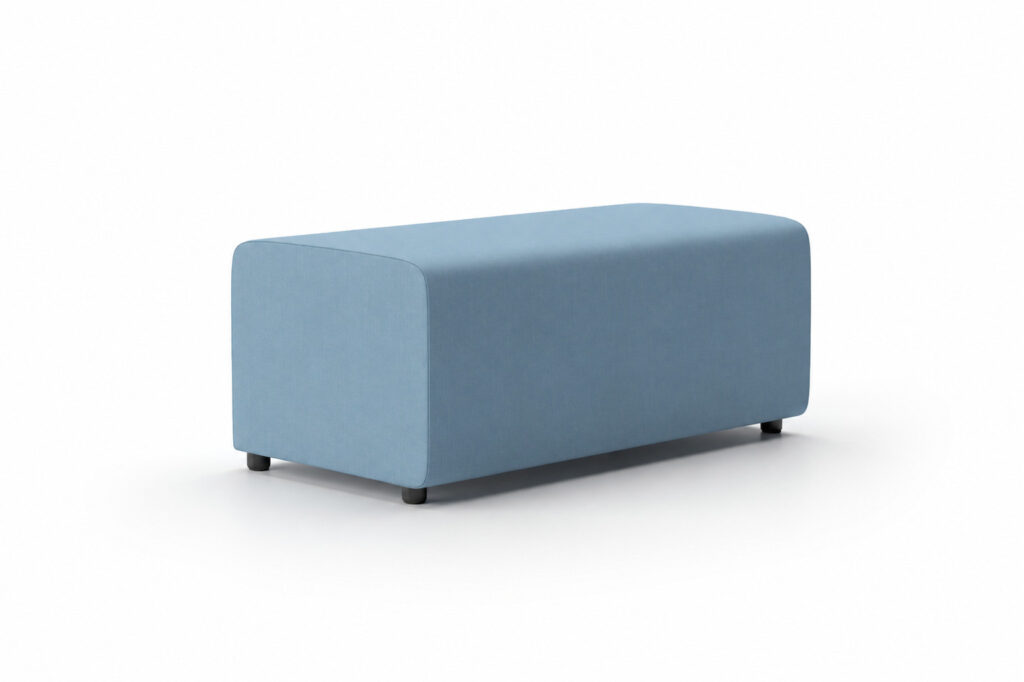
Ally modular breakout seating in upholstered finish - 2020 Furniture

ALL 02

Ally

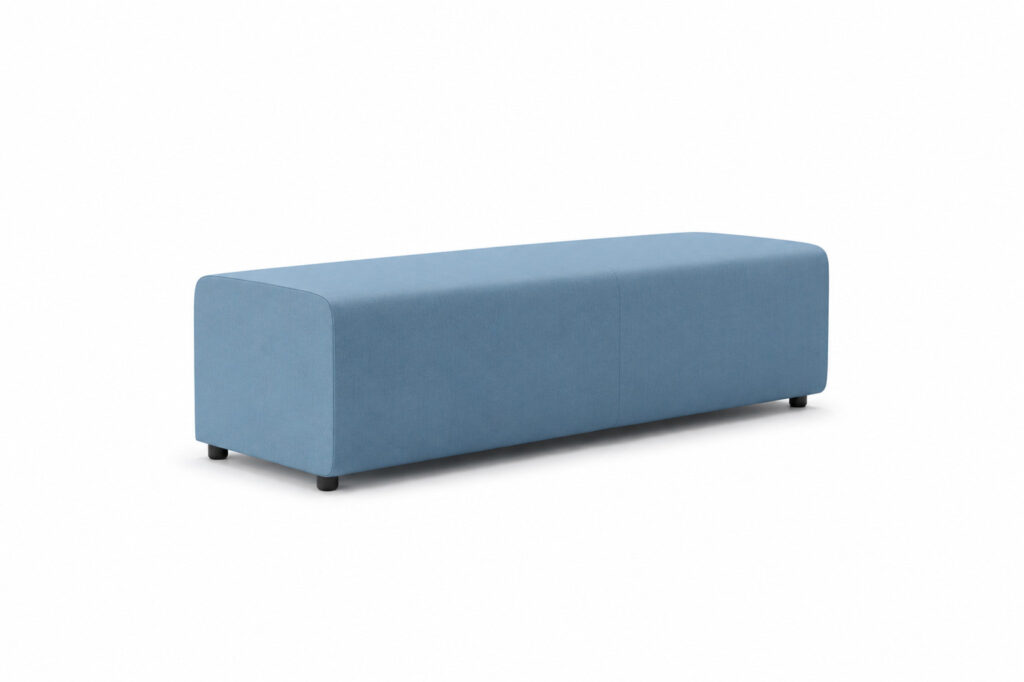
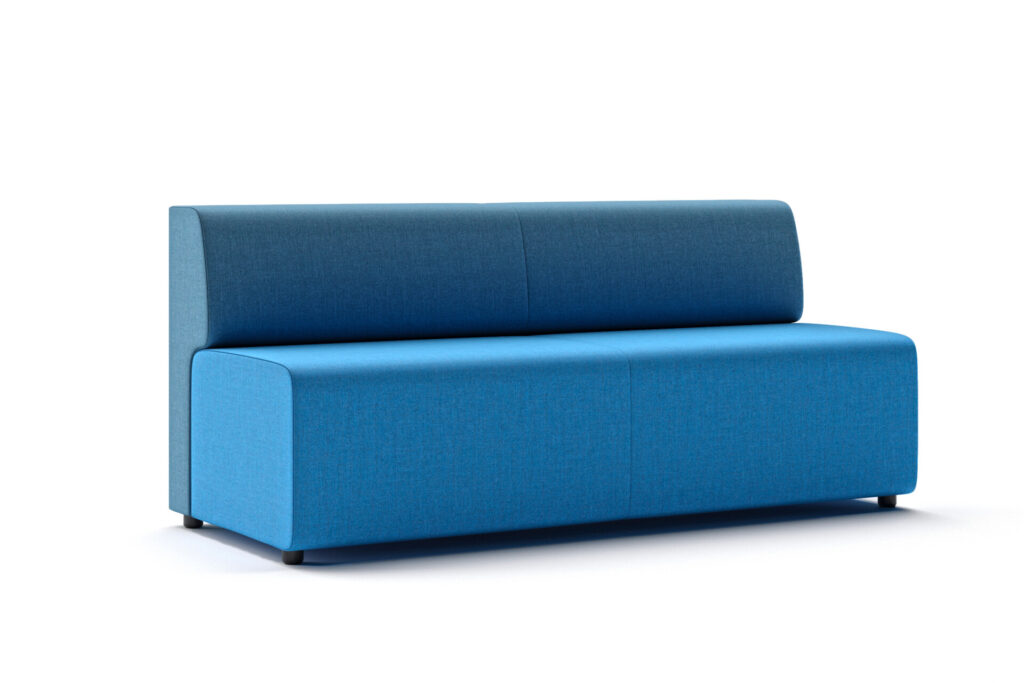
ALL 03 Ally modular breakout seating bench in blue upholstery on white background

ALL 03

Ally

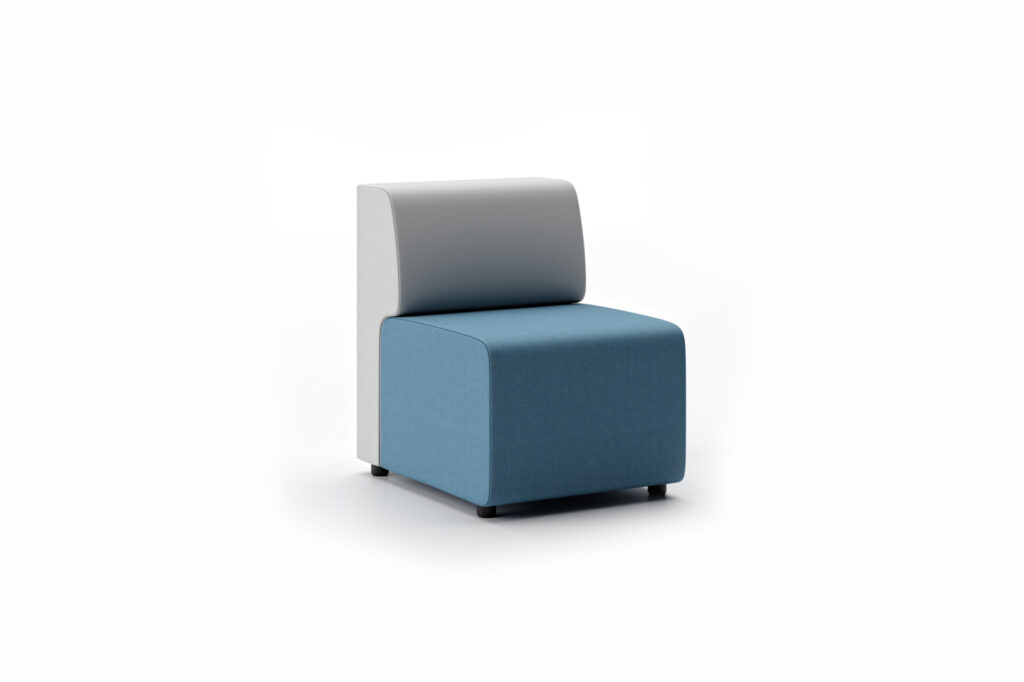
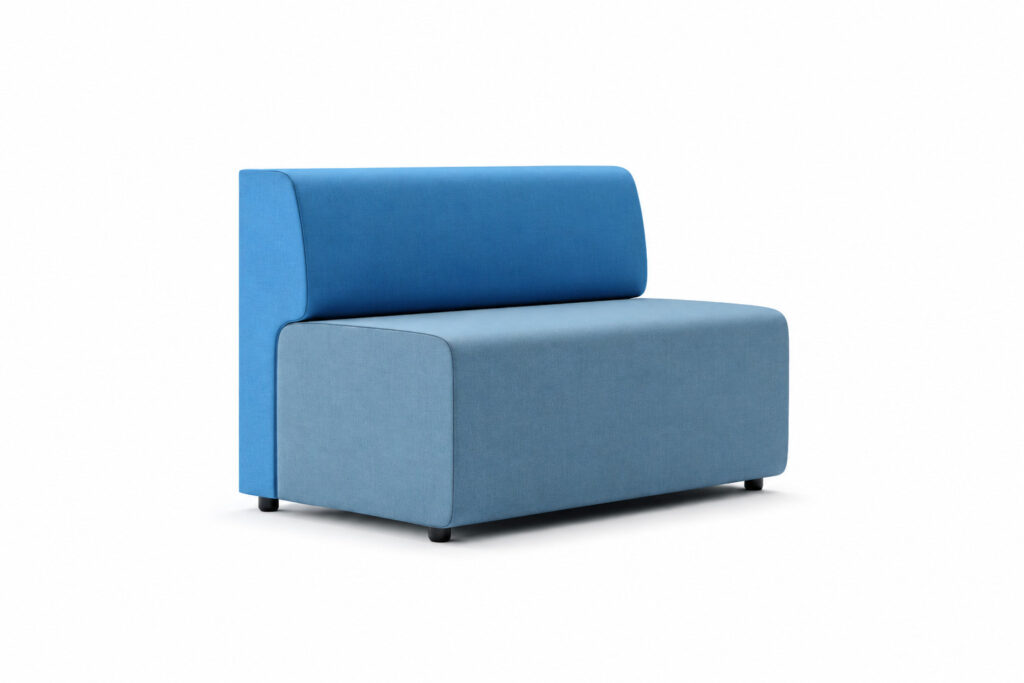
ALL 04 Ally modular breakout seating with upholstered seat and backrest - 2020 Furniture

ALL 04

Ally

ALL 05 Ally modular breakout seating with two-tone blue upholstery

ALL 05

Ally

ALL 06 Ally modular breakout seating in blue upholstered finish — 2020 Furniture

ALL 06

Ally

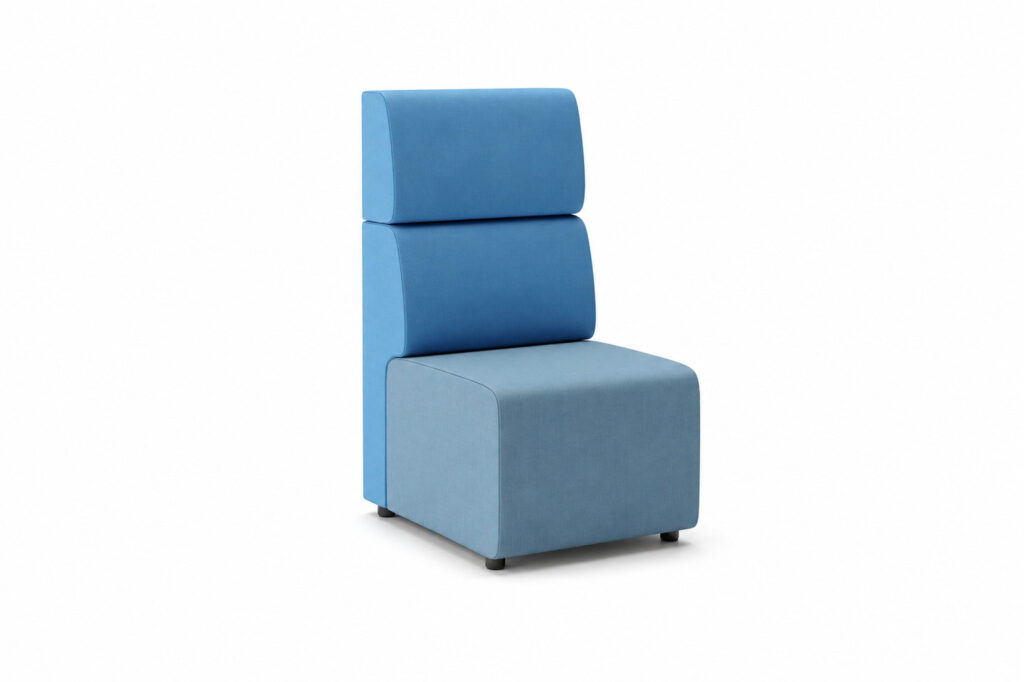
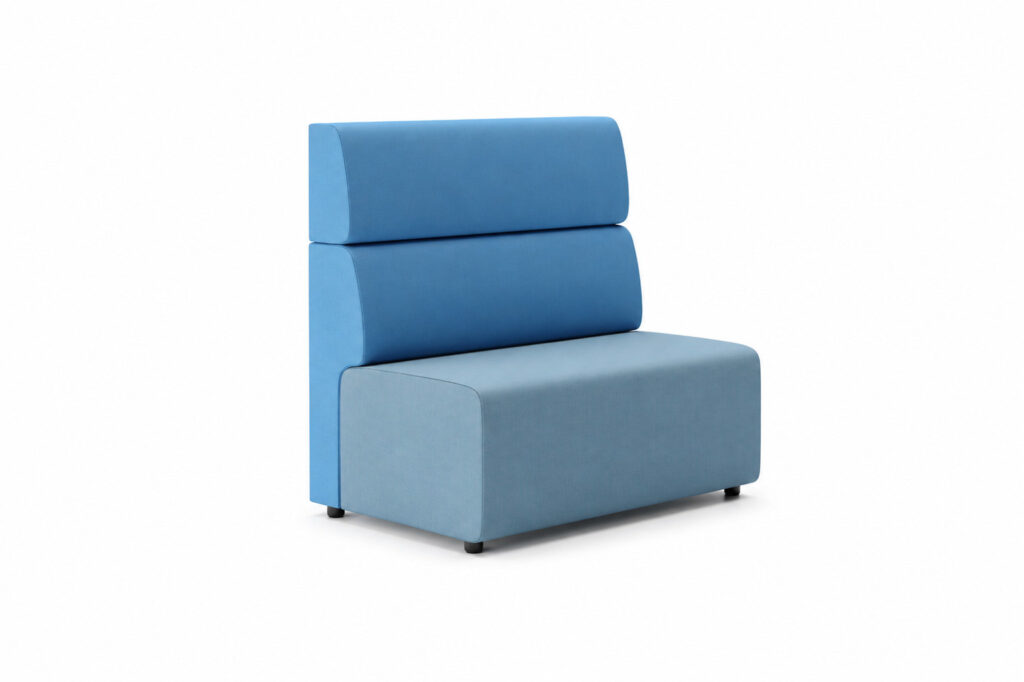
ALL 07 Ally modular breakout seating with two-tier backrest — 2020 Furniture

ALL 07

Ally

ALL 08 Ally modular breakout seating with two-tone upholstered finish - 2020 Furniture

ALL 08

Ally

Office breakout area with Ally modular seating, round tables, and people working

Why staff room design matters for wellbeing

Break spaces are often an afterthought – fitted with whatever furniture remains in the budget. Yet these rooms carry significant weight in the daily experience of work. A staff room that feels institutional or neglected sends a clear message about how much rest is valued. Conversely, a space designed with care tells people their comfort matters beyond their productivity. The right staff room furniture balances practicality with warmth – surfaces that wipe clean after lunch, upholstery that invites people to sit a little longer, tables that accommodate both solitary meals and spontaneous conversation.

Designing for durability and comfort

Common rooms see heavy, varied use throughout the day. Furniture must withstand coffee spills, bag drops, and the particular wear that comes from spaces used by everyone. This demands robust construction and materials chosen for longevity – solid frames, stain-resistant fabrics, finishes that age gracefully rather than showing every mark. Yet durability need not mean austerity. Soft seating with removable, washable covers offers both resilience and genuine comfort. Tables with rounded edges feel more inviting than sharp corners. Thoughtful material choices mean the space stays welcoming years into its life.

Creating space for different needs

Not everyone uses a break room the same way. Some seek conversation and connection – a chance to decompress with colleagues. Others need quiet and solitude to truly rest. Effective staff room furniture accommodates both: clusters of seating for groups alongside individual chairs positioned for those who prefer space. Consider acoustic comfort too – soft furnishings and upholstered pieces help absorb the clatter and chatter that can make busy common rooms overwhelming, particularly for those sensitive to sensory input.

Frequently asked questions

What materials work best for staff room furniture?

Look for stain-resistant, wipeable fabrics and durable frame materials that handle daily use. Removable covers are particularly practical, allowing for cleaning or replacement without retiring entire pieces. Solid wood and powder-coated metal frames offer longevity in high-traffic environments.

How much seating should a staff room have?

A useful guideline is seating for 10–15% of your workforce at any one time, though this varies with break patterns and company culture. Include a mix of seating types – some for groups, some for individuals – to accommodate different preferences.

Can staff room furniture help with acoustic comfort?

Yes – upholstered seating, soft furnishings, and fabric panels absorb sound and reduce the reverberation that makes busy spaces feel chaotic. This is especially valuable in open-plan offices where the staff room may be the only respite from ambient noise.

How do we make a small staff room feel comfortable?

Choose furniture scaled appropriately – compact tables, stackable or nestable seating that can be reconfigured as needed. Avoid overcrowding; a few comfortable pieces serve better than many cramped ones. Warm lighting and soft textures help smaller spaces feel inviting rather than confined.