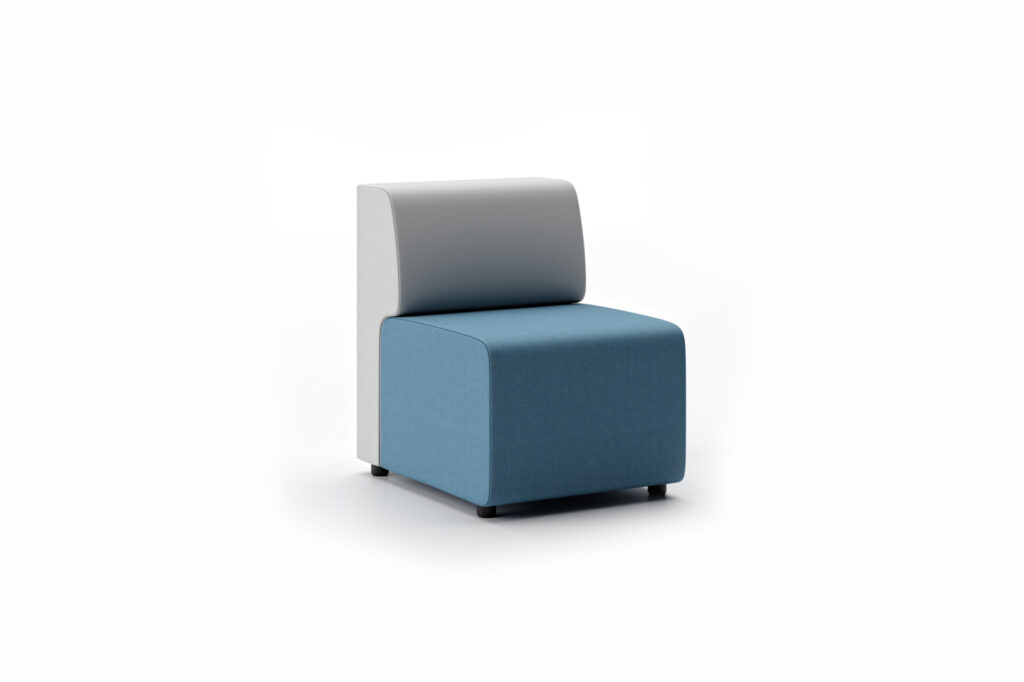
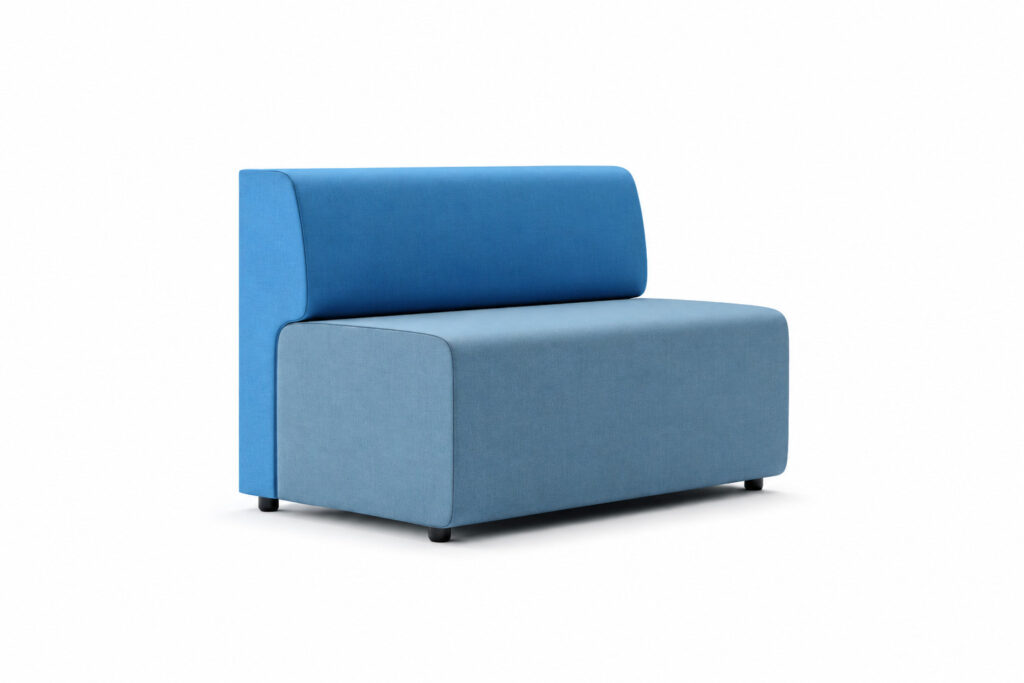
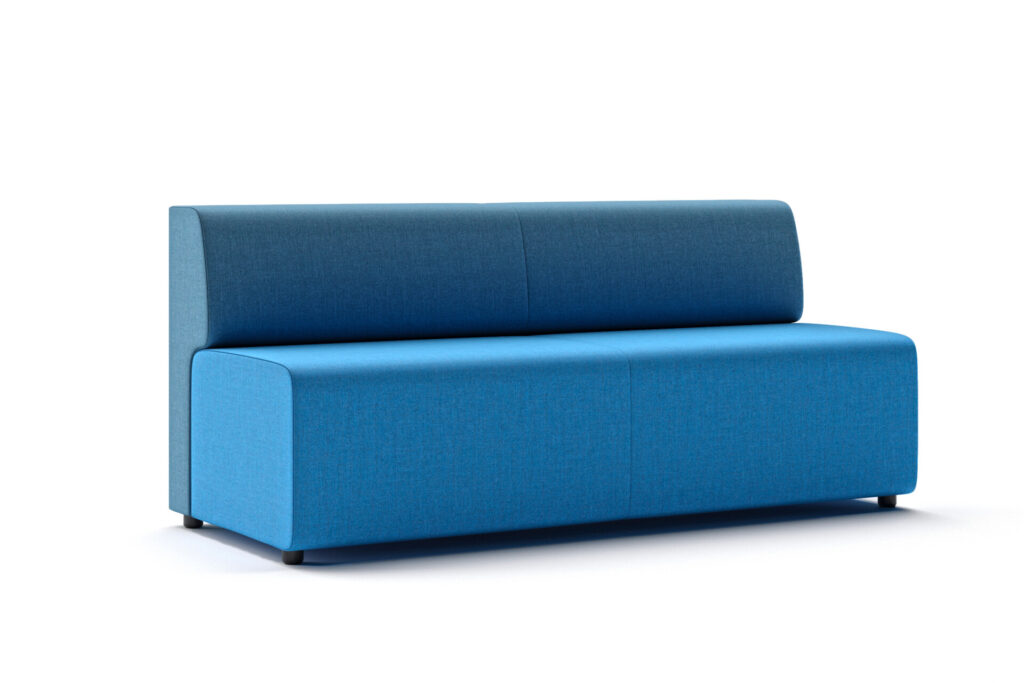
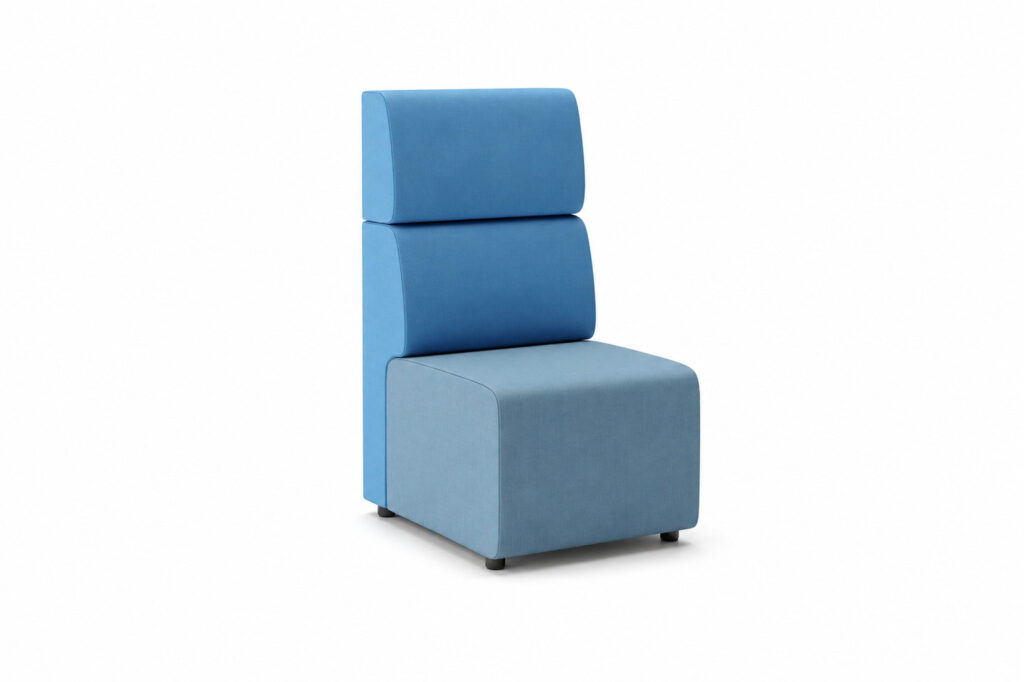
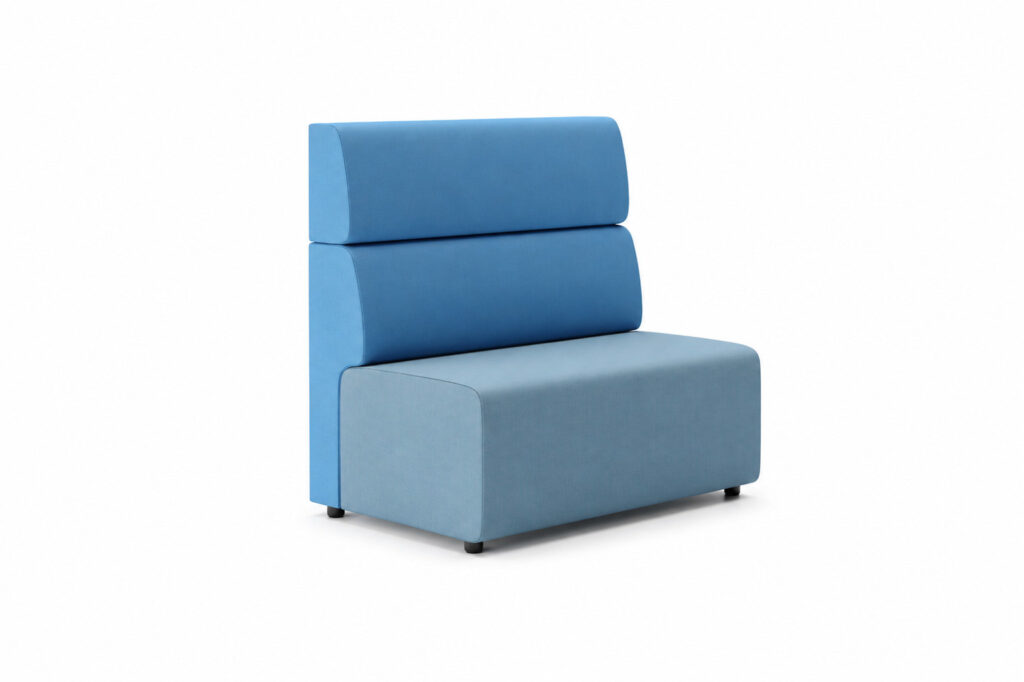
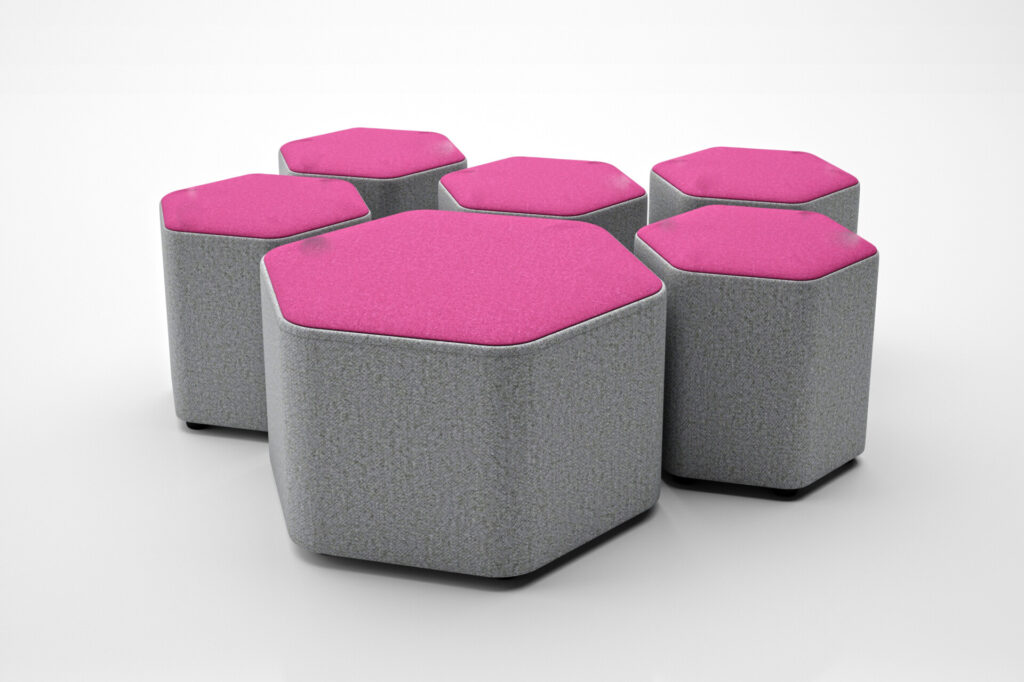
Reception areas shape first impressions before a single word is spoken. The right office reception furniture creates a moment of welcome – a sensory transition from the outside world into your organisation's culture and values. Through considered material choices, acoustic sensitivity and intuitive layouts, lobby furniture becomes more than functional; it becomes an expression of how you care for the people who walk through your doors.
The reception area carries a unique psychological weight. Visitors arrive with varying states of mind – some anxious about interviews, others navigating unfamiliar environments, many simply needing a moment to gather themselves. Reception area furniture must acknowledge this human reality. Seating that offers both openness and a sense of shelter, tables positioned to reduce awkwardness, storage that maintains visual calm – each element contributes to an environment where people feel genuinely received rather than merely processed.
A reception space must communicate organisational identity while remaining welcoming to neurodivergent visitors, those with mobility considerations and people from diverse cultural backgrounds. This is where neuro-inclusive design principles prove essential – soft geometry that doesn’t overwhelm, tactile upholstery that grounds rather than agitates, and spatial arrangements that offer choice without confusion.
Durability meets aesthetics in high-traffic reception environments. Materials must withstand constant use while maintaining their intended appearance over years of service. Modular configurations allow spaces to adapt as organisations evolve – a startup’s intimate welcome area can scale into a corporate lobby without complete replacement. Consider acoustic properties carefully; hard surfaces in entrance areas amplify every footstep and conversation, creating sensory fatigue for receptionists and discomfort for waiting visitors. Integrated planting softens acoustics naturally while improving air quality and biophilic connection. When specified thoughtfully, reception furniture becomes infrastructure for hospitality – supporting the daily rituals of greeting, waiting and transitioning that define how people experience your organisation from the very first moment.
Consider offering a mix of seating heights and depths to accommodate different body types and mobility levels. Include options with armrests for those who need support standing, alongside more relaxed seating for longer waits. Fabric choices should balance comfort with cleanability.
Reception spaces often feature hard floors and large glazed entrances, which amplify sound and create reverberation. Upholstered furniture, acoustic screens and integrated planters help absorb sound energy, reducing the cognitive load on both visitors and reception staff throughout the day.

Bespoke upholstery colours, custom finishes and tailored configurations allow reception furniture to align with your visual identity. The key is ensuring brand expression enhances rather than compromises comfort – visitors remember how a space made them feel more than its aesthetic details.
Specify commercial-grade fabrics with high Martindale rub counts and consider darker tones or patterns for seating areas. Removable, replaceable covers extend furniture lifespan significantly. Regular professional cleaning every six to twelve months maintains appearance and hygiene standards.