
Guides
Our guides bring together knowledge, experience, and practical insights related to furniture design and interior environments. They are created to support architects, designers, and clients in making thoughtful decisions that improve both functionality and comfort within a space.
By combining design principles with practical considerations, our guides explore how furniture, materials, and spatial planning influence everyday experiences. From aesthetic decisions to acoustic comfort, each topic highlights elements that contribute to well-balanced and human-focused interiors.
Design Guide
Thoughtful design plays a fundamental role in shaping how people experience interior spaces. Furniture is not only about appearance but also about proportion, functionality, and the way it interacts with architecture and daily use. Well-designed interiors create harmony between form, materials, and spatial organization.
At 2020 Furniture Design, we focus on creating environments that feel balanced, comfortable, and visually clear. Proportions, textures, and material combinations influence how a space is perceived and how people move through it. Good design supports both aesthetics and everyday usability.
Carefully selected furniture can define zones, guide movement, and create a sense of structure within a room. Whether in residential or commercial environments, design decisions should consider flexibility, durability, and long-term relevance.
By prioritizing timeless design and thoughtful composition, interiors can remain functional and visually appealing for many years. Our design approach encourages creating spaces that support both comfort and clarity while maintaining a refined aesthetic.
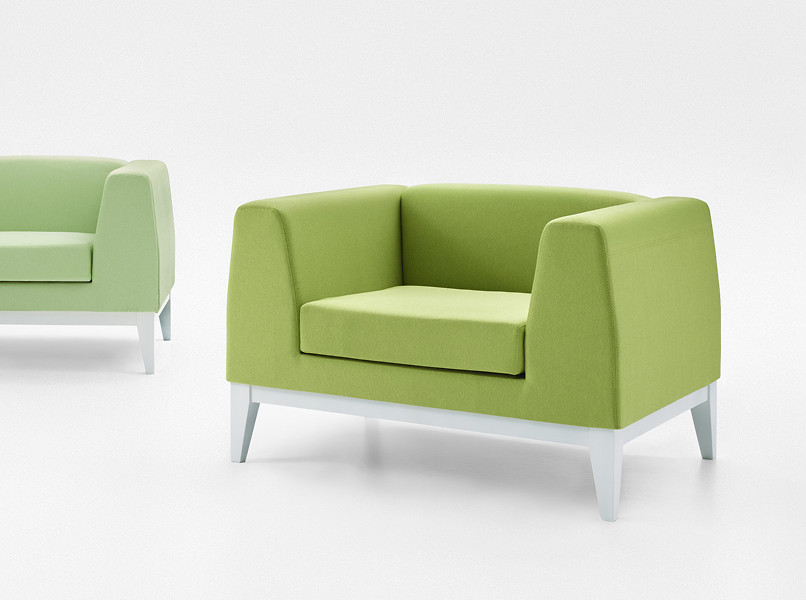
Acoustic Guide
Acoustic comfort is an important but often overlooked aspect of interior design. Sound influences how people experience a space, affecting concentration, communication, and overall wellbeing. In offices, public spaces, and collaborative environments, good acoustic conditions are essential for productivity and comfort.
Furniture, materials, and spatial layout all play a role in shaping the acoustic quality of a room.
Soft surfaces, upholstered elements, and acoustic panels can help absorb sound and reduce unwanted noise reflections.
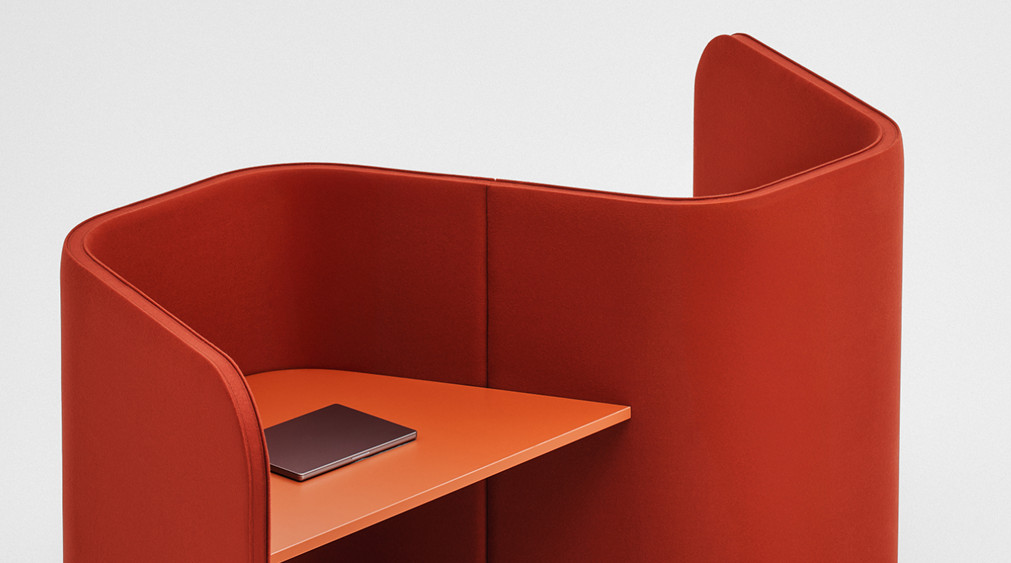
Thoughtful placement of furniture can also support acoustic balance by creating zones for focused work, conversation, or relaxation.
By combining functional design with acoustic awareness, interiors can become more comfortable and supportive for everyday activities.