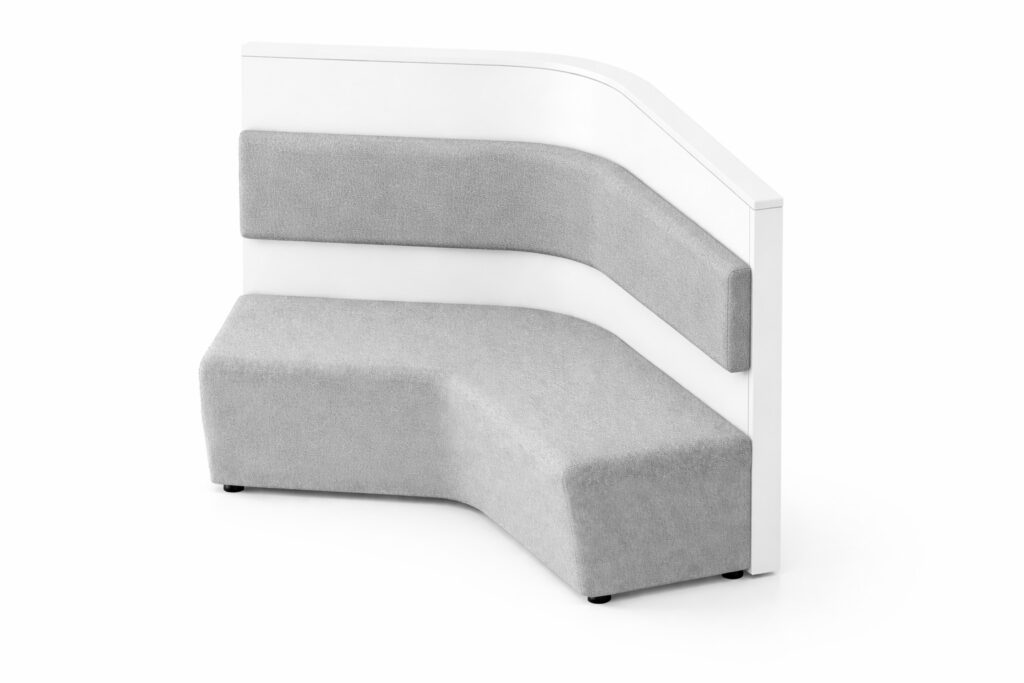
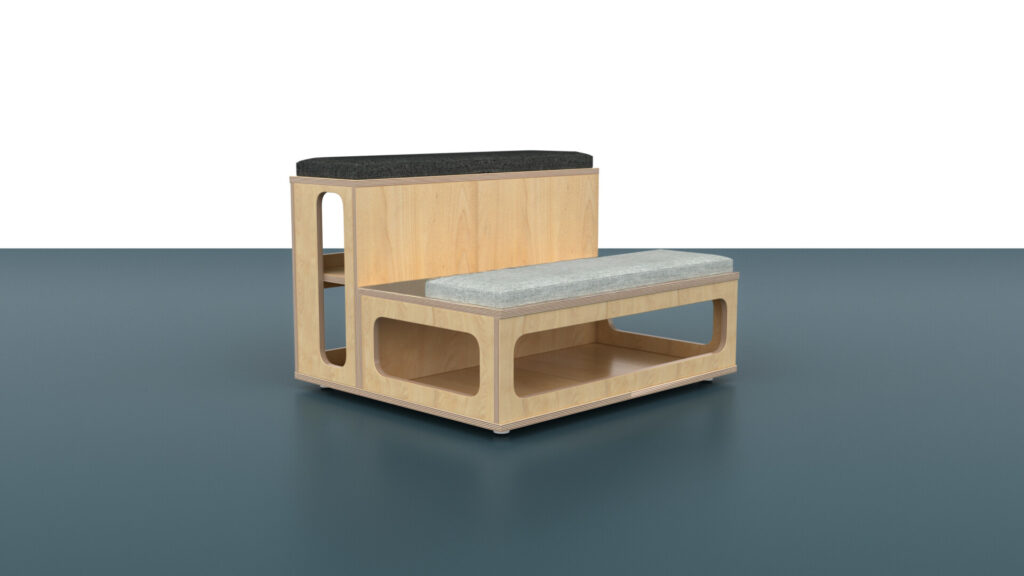
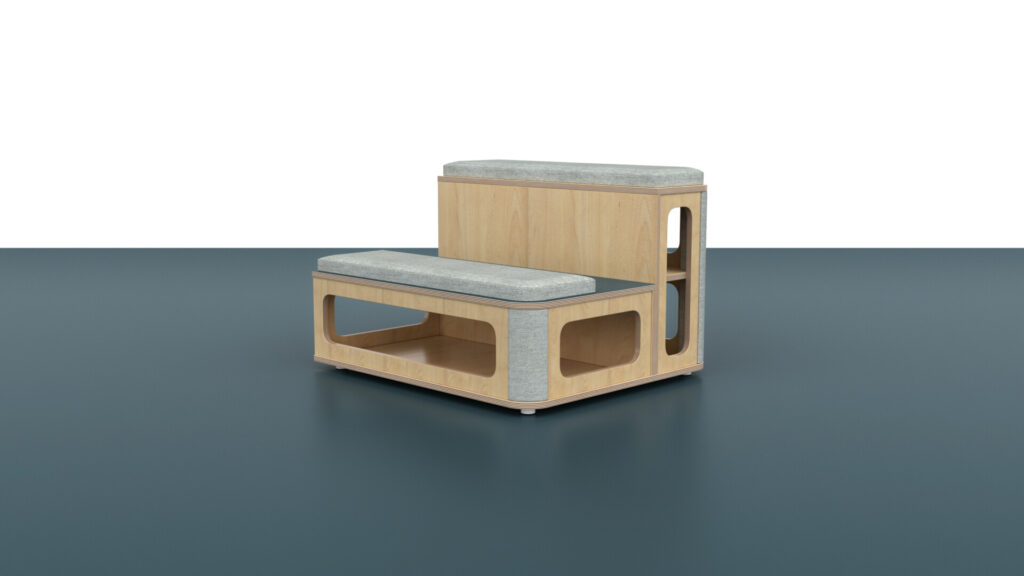
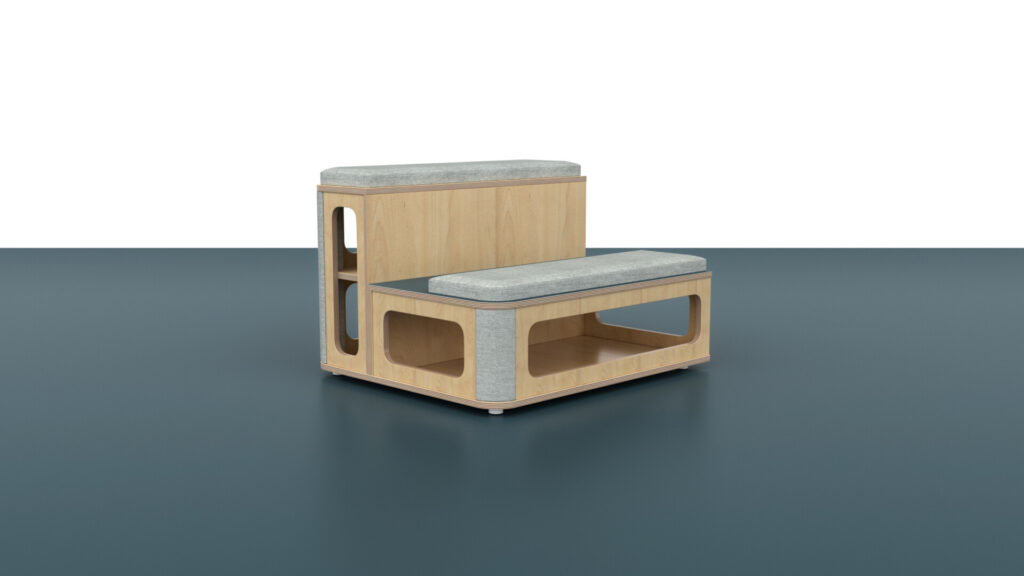
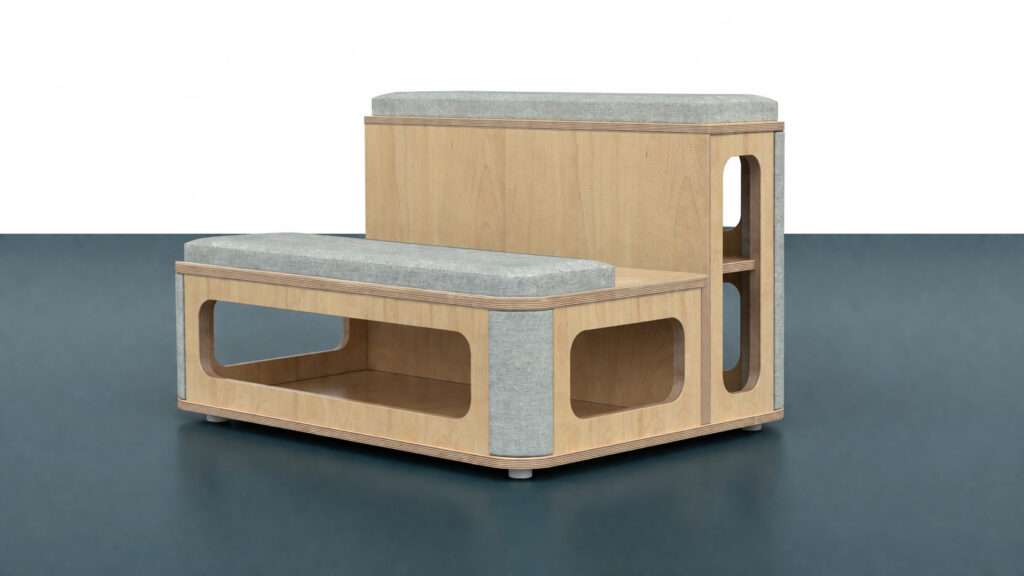
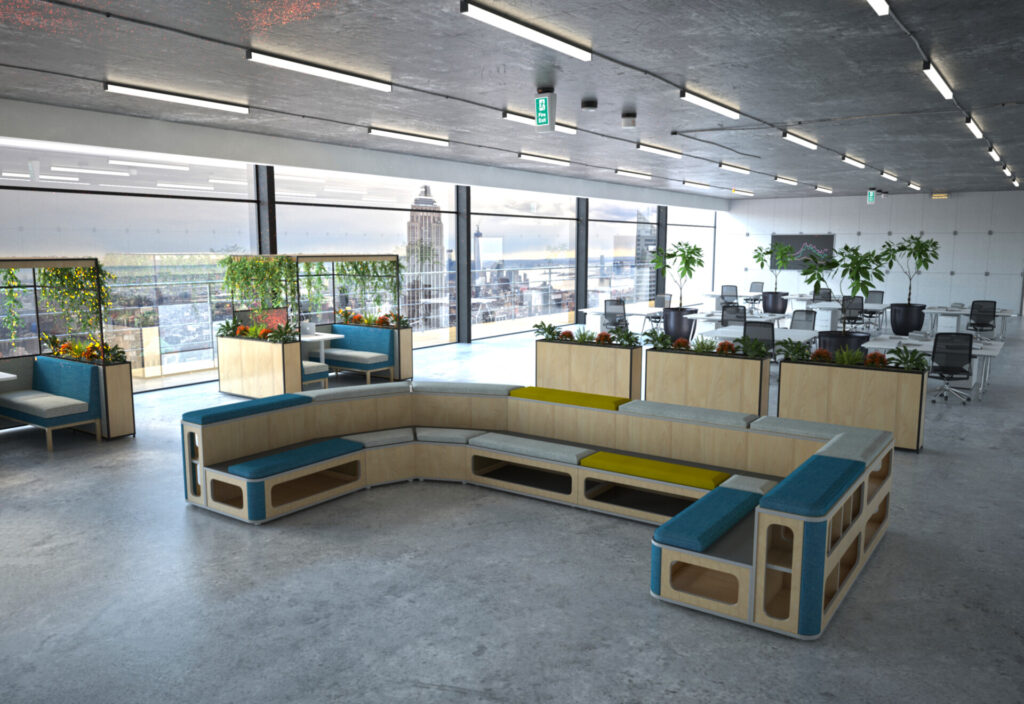
Tiered seating transforms passive audiences into engaged participants. By arranging people across stepped levels, every seat becomes the best seat – sightlines clear, voices carry naturally, and the subtle elevation creates a sense of occasion. Whether for company-wide town halls, university lectures, or informal knowledge-sharing sessions, amphitheatre-style seating acknowledges a fundamental truth: how we arrange bodies in space shapes how ideas flow between minds.
Traditional flat-floor arrangements force audiences to crane necks, shift in seats, and strain to see past the person in front. This physical discomfort translates directly into cognitive fatigue – attention drifts, engagement drops, and the message loses its impact. Tiered seating solves this through simple geometry. Each row rises above the last, creating unobstructed views that let audiences focus on what matters: the speaker, the presentation, the shared experience of learning together. For neurodiverse team members who may already find large gatherings overwhelming, removing these physical barriers to attention can make the difference between inclusion and exhaustion.
Stepped configurations do more than improve sightlines – they fundamentally change how sound behaves in a room. Voices project naturally upward and outward, reducing the need for amplification in smaller gatherings. When paired with appropriate upholstery and acoustic treatment, tiered seating helps contain sound within the audience area, minimising reverberation that muddles speech clarity. This matters particularly in open-plan offices where a town hall space must coexist with focused work happening nearby. The right tiered system becomes both stage and sound barrier.
The most effective tiered seating systems recognise that today’s lecture theatre might be tomorrow’s collaborative workshop space. Modular configurations allow facilities teams to adapt arrangements as needs shift – expanding for all-hands meetings, contracting for intimate team sessions, or reconfiguring entirely for social events. When specifying tiered seating, consider not just current requirements but how your organisation gathers, learns, and celebrates. The best solutions grow with you, supporting everything from formal presentations to spontaneous Friday afternoon gatherings.
Tiered seating generally requires more floor area than flat seating arrangements due to the stepped structure and circulation space between rows. As a guide, allow approximately 0.7–1.0 square metres per seat, though this varies significantly based on tier depth, row spacing, and accessibility requirements. We recommend discussing your specific space constraints during the design consultation.
Yes – accessible design should be integral to any tiered seating specification. This typically includes designated wheelchair positions with companion seating, transfer options at various tier levels, and clear circulation routes. Building regulations specify minimum requirements, but thoughtful design goes further to ensure everyone has equally good sightlines and feels genuinely included.
Absolutely. Many tiered systems are designed with flexibility in mind, featuring retractable or modular configurations that can be recessed, folded, or rearranged. This allows a single space to function as a lecture theatre, event venue, or open floor area depending on need. Discuss your multipurpose requirements early in the specification process to ensure the system supports all intended uses.

High-traffic installations benefit from commercial-grade fabrics rated for heavy use – typically 40,000+ Martindale rubs minimum. Wool blends offer durability with natural acoustic benefits, while specialist contract fabrics provide stain resistance for spaces where food and drink are permitted. Darker tones and textured weaves tend to maintain their appearance longer in busy environments.
Tiered seating can improve speech intelligibility by orienting listeners toward the sound source and reducing obstructions. Upholstered seats absorb mid-to-high frequencies, helping control reverberation. However, the stepped hard surfaces of the tiers themselves may require additional acoustic treatment on walls or ceilings to achieve optimal clarity, particularly in larger installations.