Cabinets

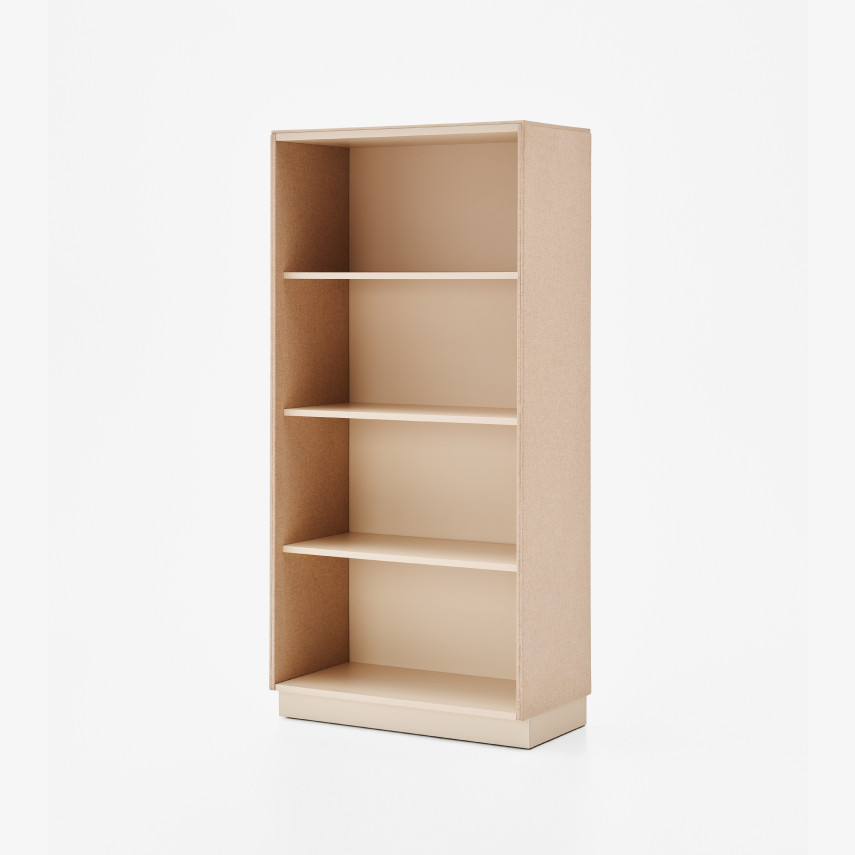
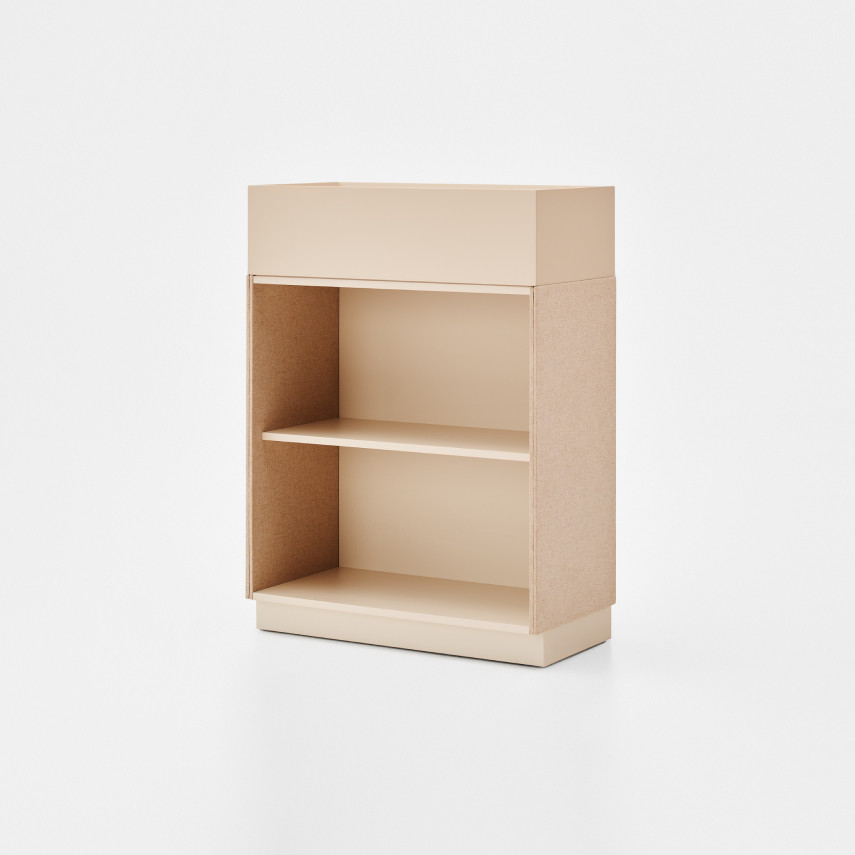
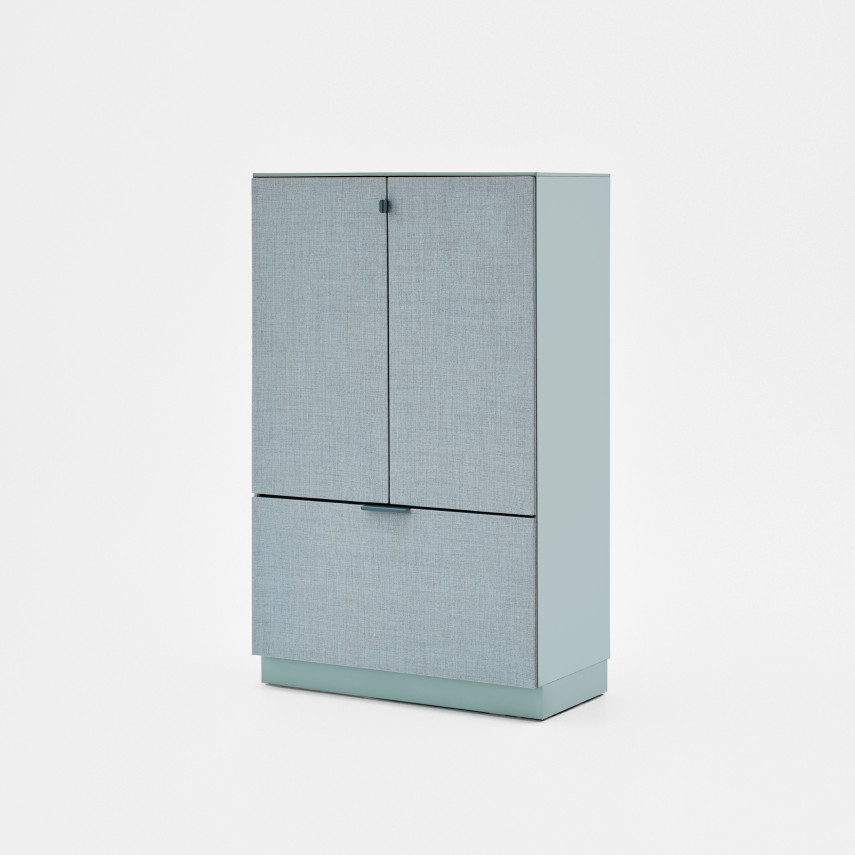
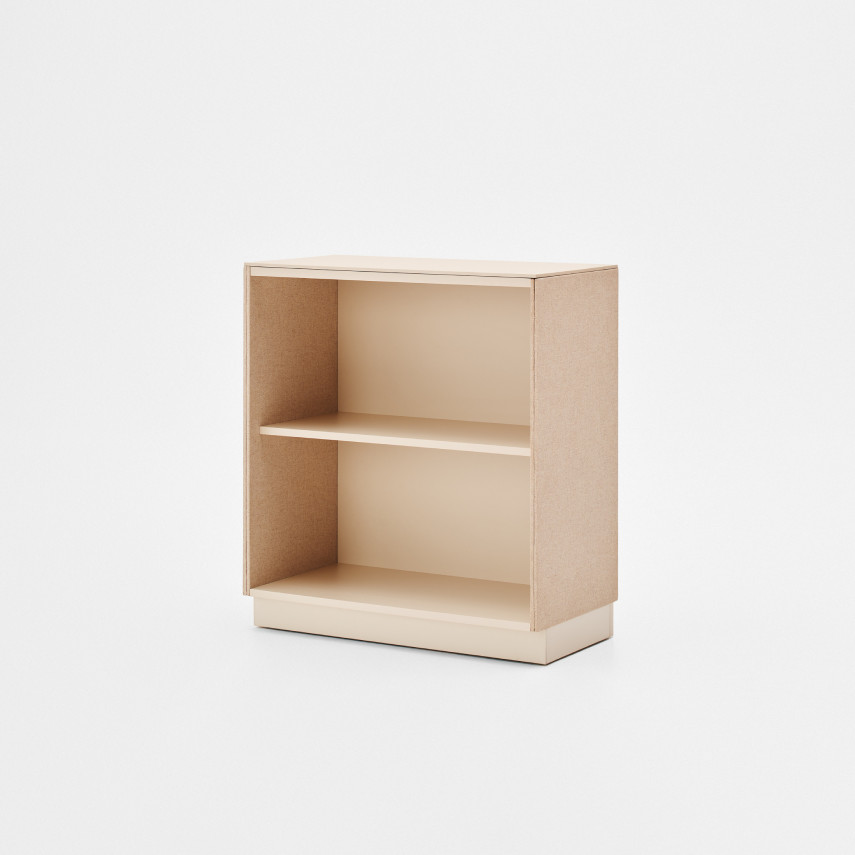
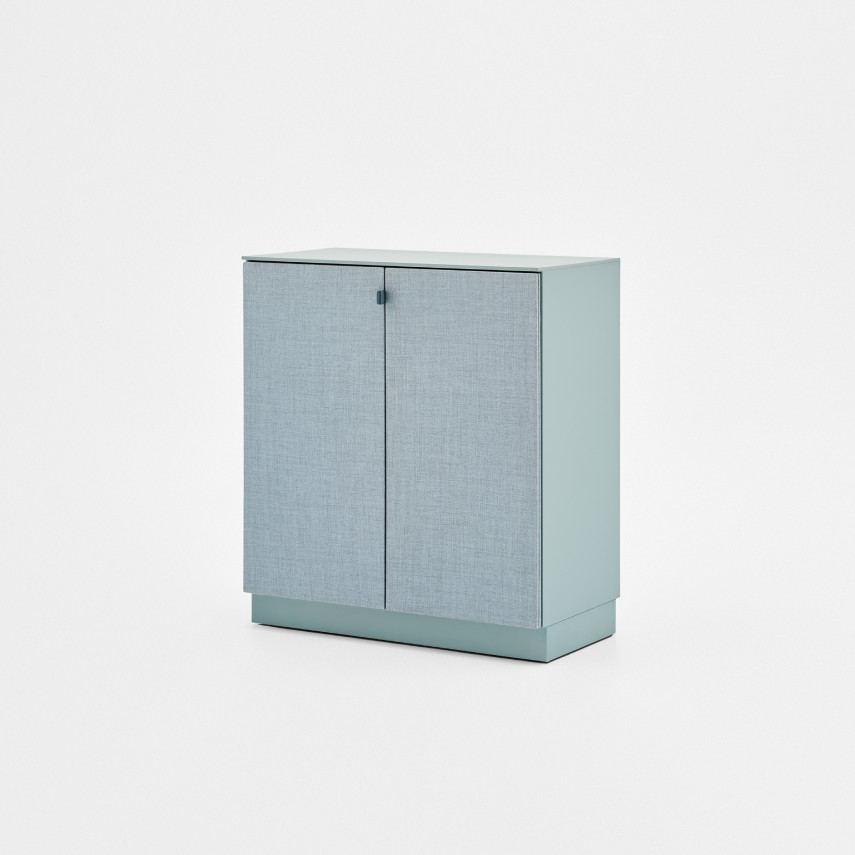
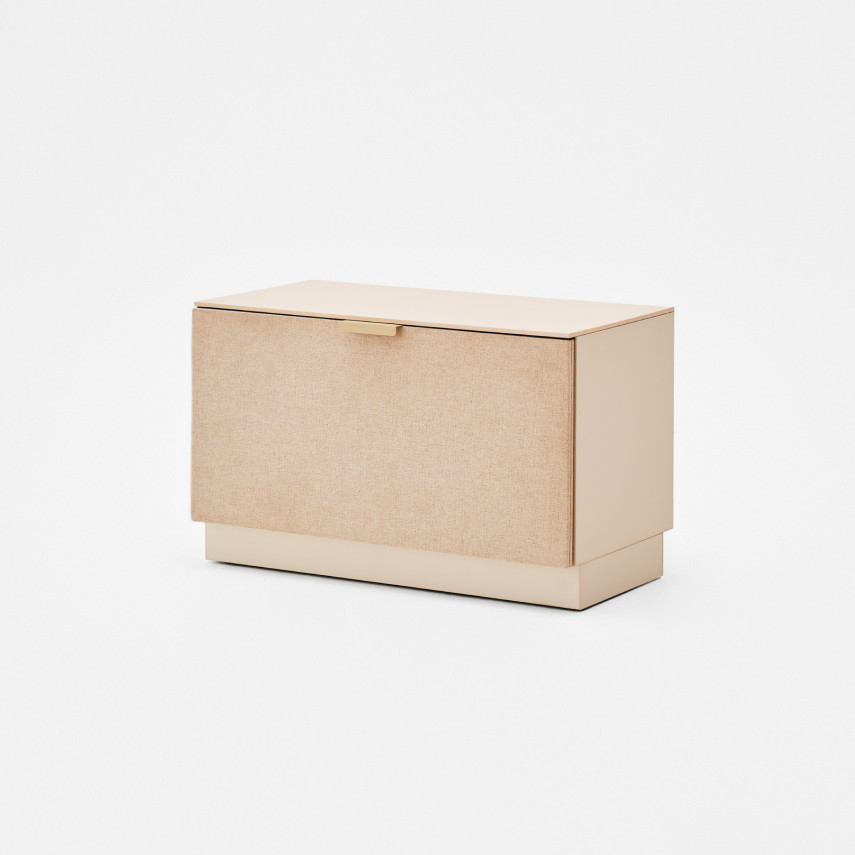
Office cabinets bring order to the working day – quietly holding everything a team needs while keeping visual noise at bay. More than simple storage, well-designed cabinets create rhythm in open spaces, offering moments of calm through considered form and finish. With options for upholstered fronts, these pieces can soften acoustics and add warmth, turning functional storage into an integral part of a human-centred workspace.

Filters

collections
Collection
spaces
Spaces / destination
funcionality
Funcionality

SP-02

Soma

S-06

Soma

AD-02

Soma

S-04

Soma

S-03

Soma

S-02

Soma

S-01

Soma

Storage that supports focus and flow

In contemporary offices, clutter is more than an aesthetic concern – it’s a cognitive one. Visual disorder competes for attention, fragmenting concentration and adding to the mental load that already challenges people in open environments. Office cabinets address this directly, providing enclosed storage that keeps documents, equipment and personal items out of sight but within easy reach. The result is a workspace that feels intentional rather than chaotic, where people can direct their energy toward meaningful work.

For architects and workplace designers, cabinets offer opportunities beyond pure function

Positioned thoughtfully, they define zones without the permanence of walls, creating natural boundaries between collaborative areas and focused work settings. When specified with upholstered panels or soft-touch finishes, they contribute to acoustic comfort – absorbing sound reflections that would otherwise bounce across hard surfaces and add to sensory overload. This dual role makes them particularly valuable in neuro-inclusive design, where reducing unnecessary stimulation supports the one in five people who experience the world differently.

Choosing cabinets for lasting value

Selecting office cabinets means balancing immediate needs with future flexibility. Consider what will be stored – deep drawers suit files and equipment, while adjustable internal shelving accommodates changing requirements over time. Think about how cabinets will integrate with your broader furniture scheme: modular systems allow units to be reconfigured as teams grow or working patterns shift. Material choices matter too – durable board finishes offer clean simplicity, while upholstered options in tactile fabrics bring warmth and acoustic benefit. Bespoke capabilities mean finishes can align with your client’s brand identity, creating cohesion across the entire workspace.

Frequently asked questions

Can office cabinets help with acoustic problems in open-plan spaces?

Yes – cabinets with upholstered fronts or fabric-wrapped panels absorb sound reflections, reducing reverberation and background noise. Strategically placed storage can also act as soft barriers between zones, helping to contain sound within specific areas.

What internal configurations are typically available?

Most cabinet systems offer adjustable shelving, filing drawers and open compartments that can be combined to suit your storage needs. Discuss specific requirements during specification, as configurations can often be tailored to accommodate particular equipment or filing systems.

How do I choose between board and upholstered finishes?

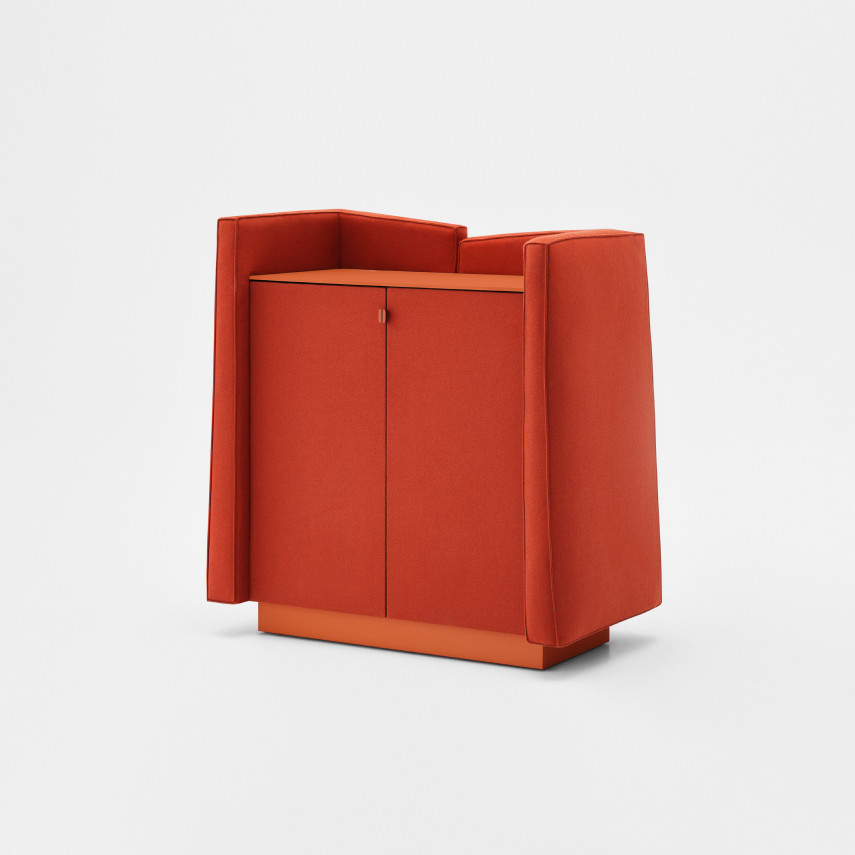
Board finishes provide a clean, durable surface that's easy to maintain – ideal for high-traffic areas. Upholstered options add tactile warmth and acoustic absorption, making them well-suited to spaces where sensory comfort and noise reduction are priorities.

Can cabinets be customised to match our brand colours?

Bespoke finishing allows cabinets to be specified in colours and materials that align with your client's brand identity. This creates visual cohesion across the workspace while maintaining the functional benefits of quality storage.

What should I consider when planning cabinet placement?

Think about workflow and accessibility – storage should be convenient to the people who use it most. Also consider how cabinets might define space: positioned as low dividers or against walls, they can shape circulation patterns and create distinct zones without permanent construction.