Modular

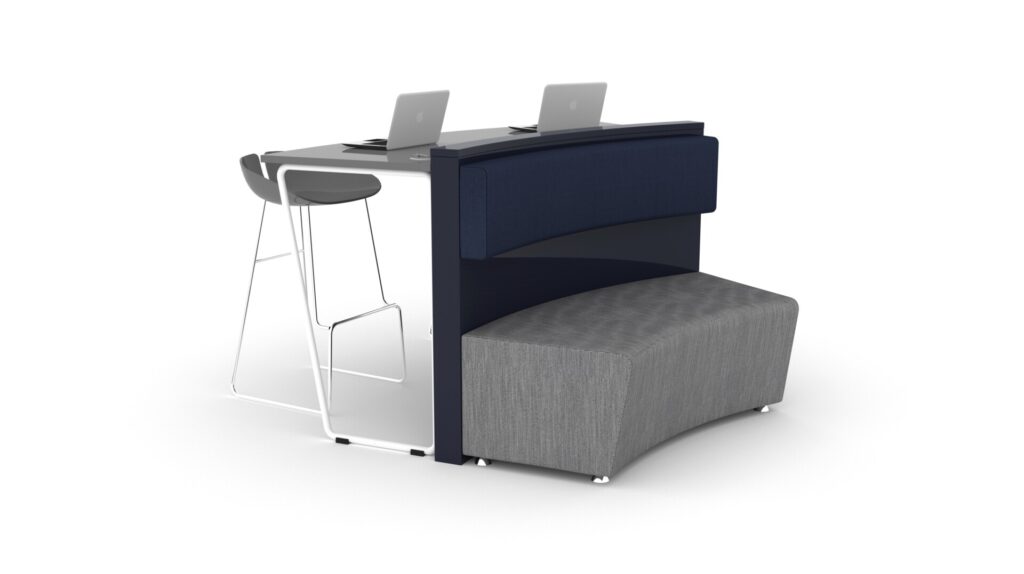
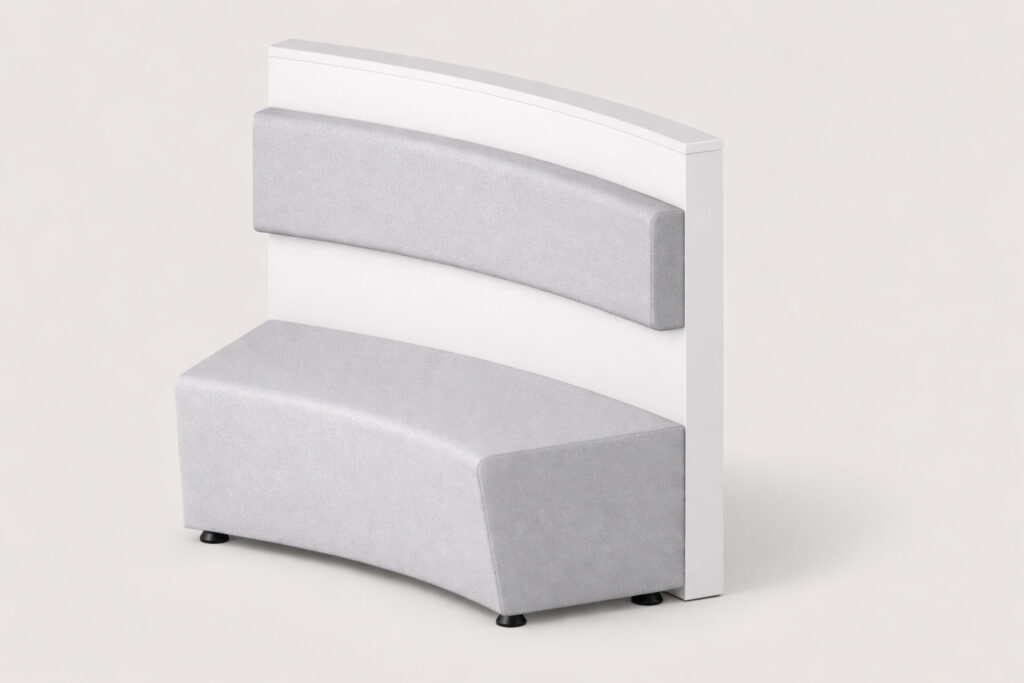
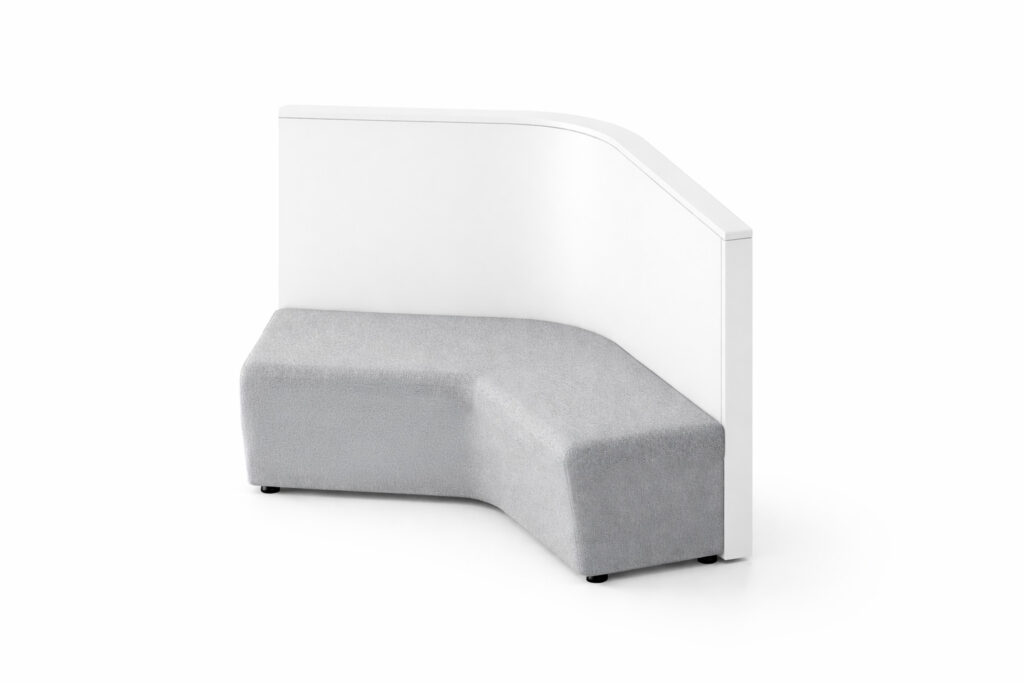
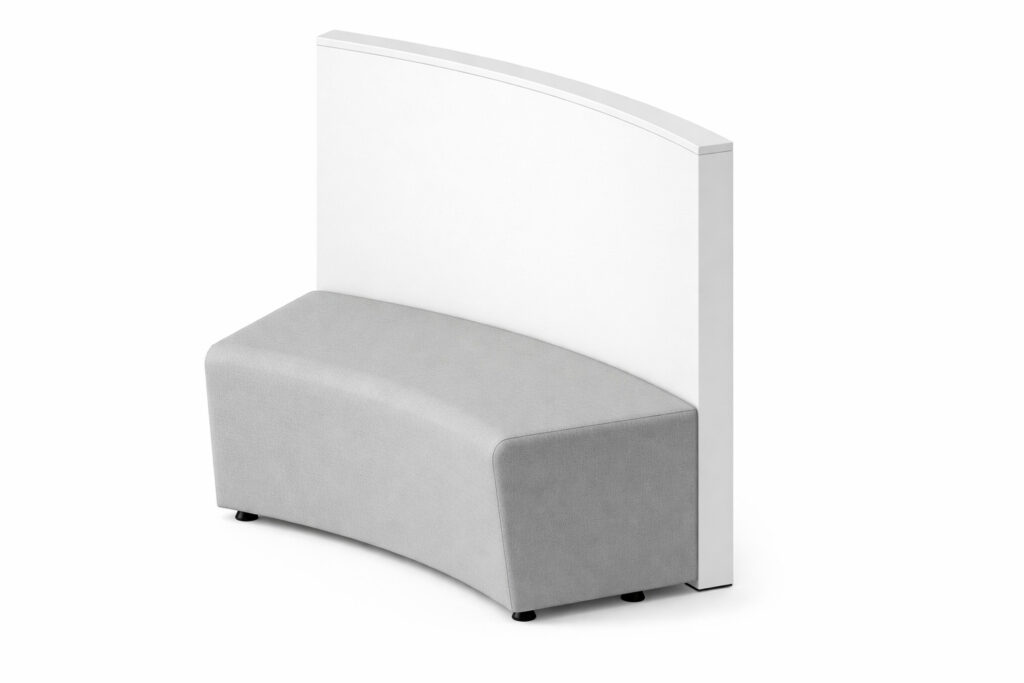
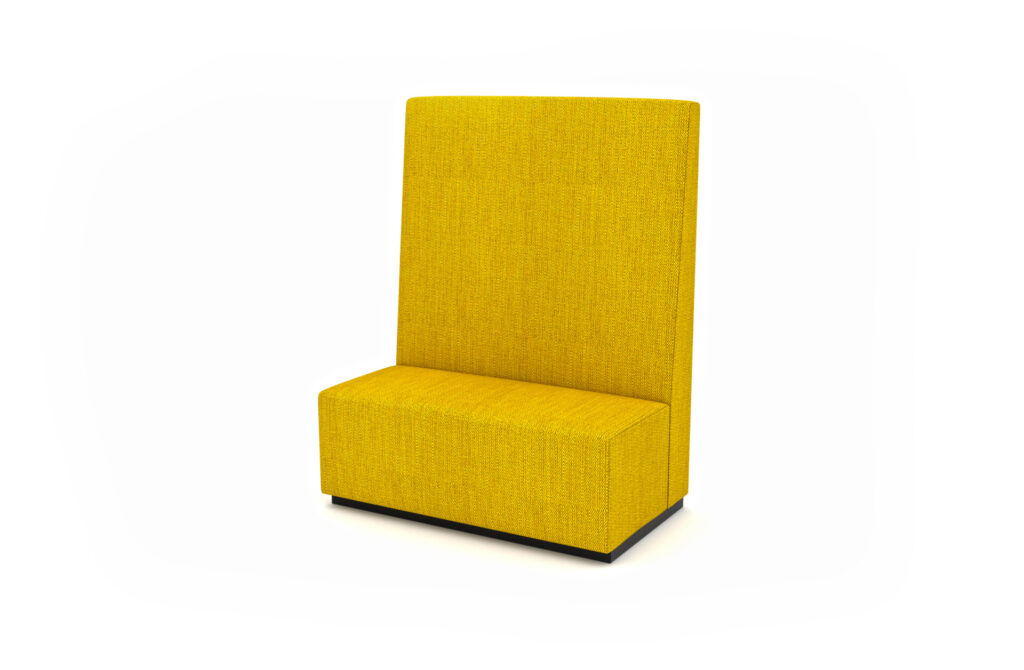
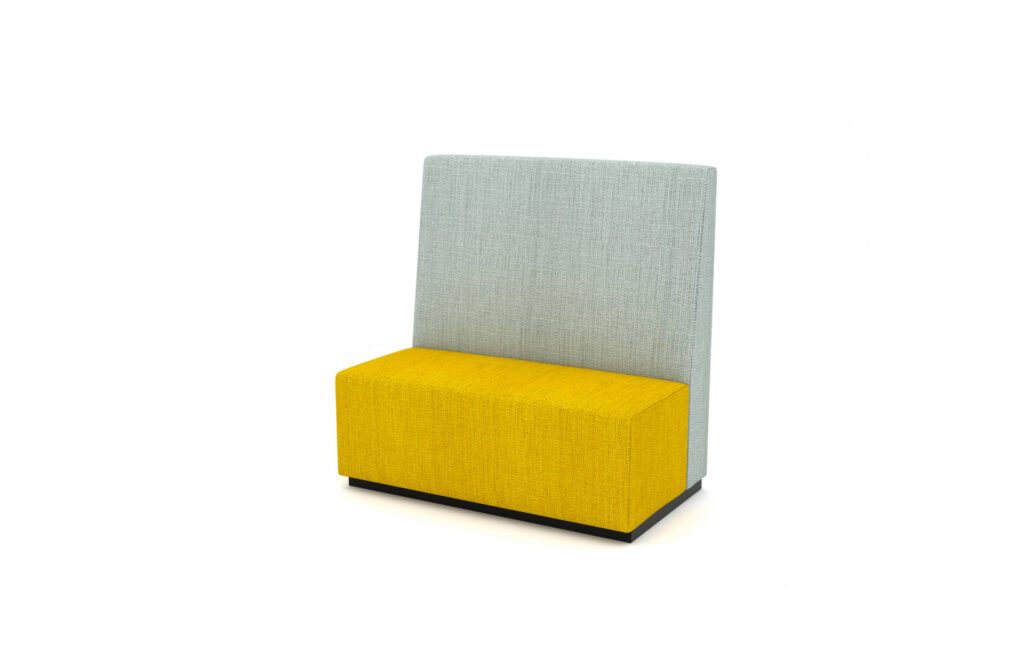
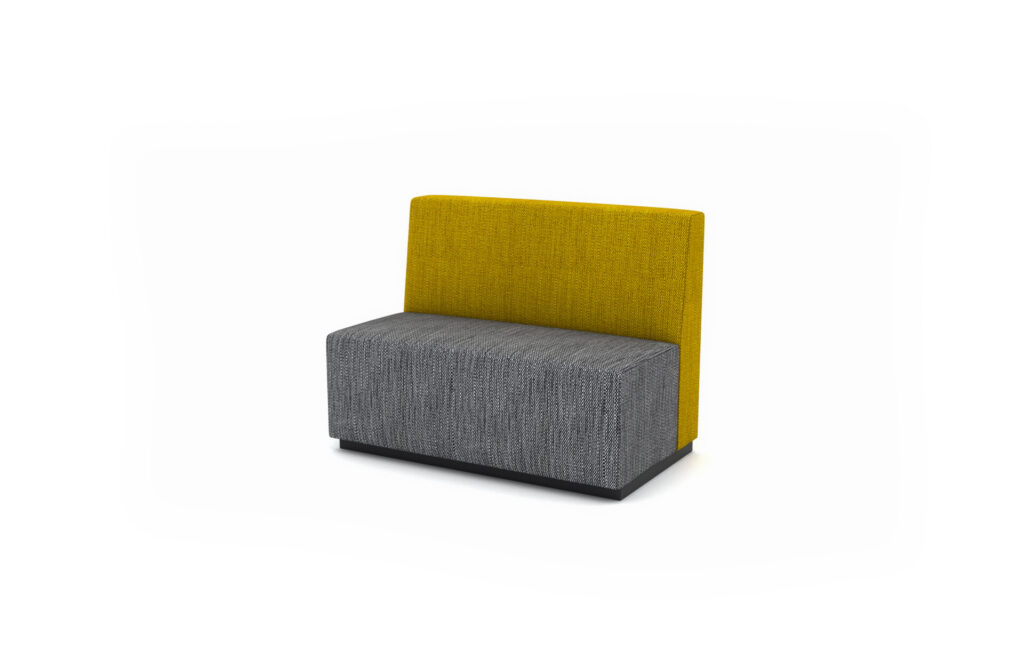
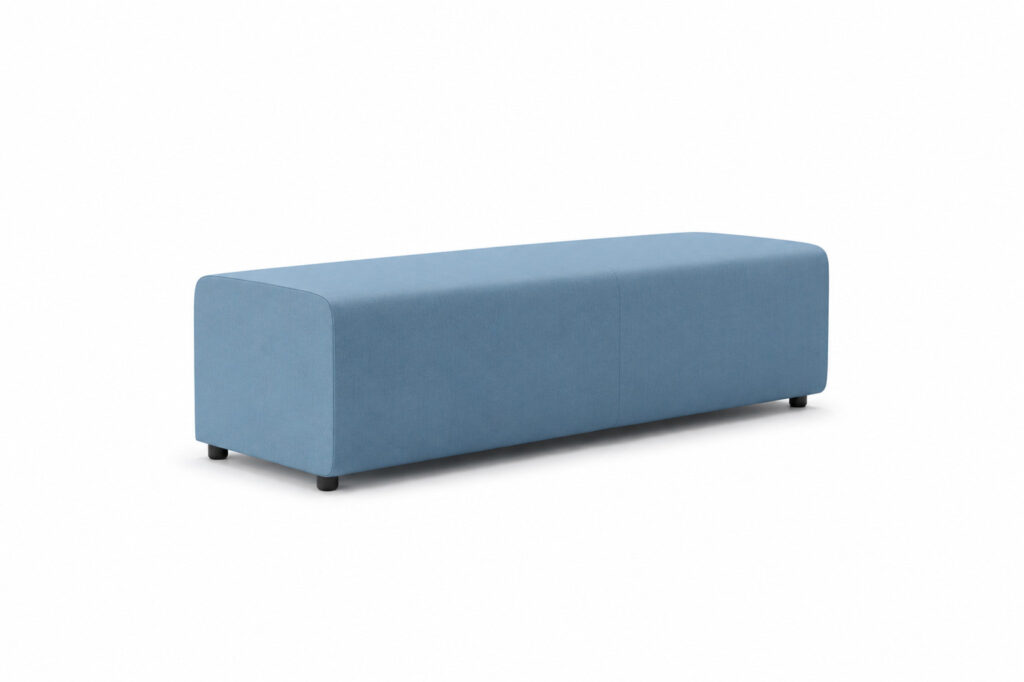
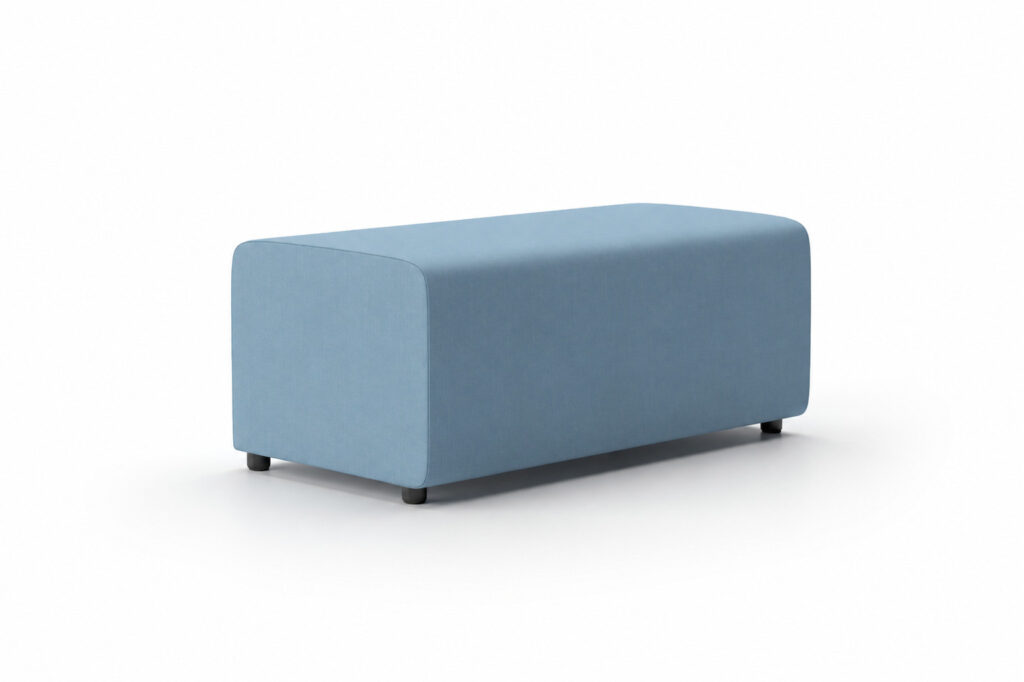
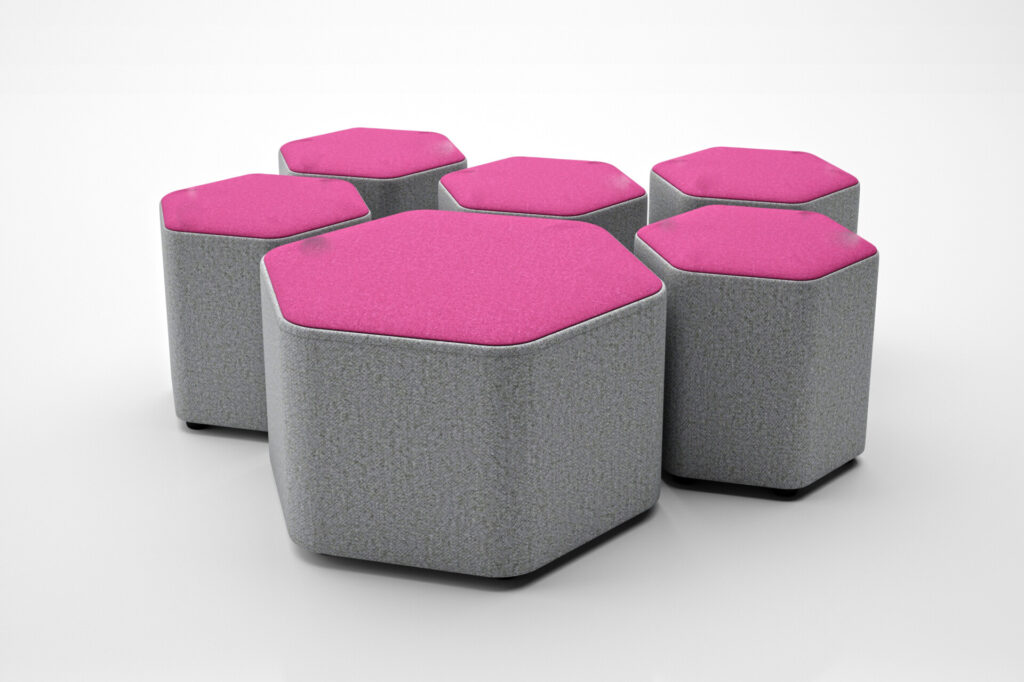
Modular seating transforms static reception areas and breakout zones into living, breathing spaces that evolve with your organisation. These configurable systems connect, expand and reconfigure – allowing straight runs to become curved islands, intimate clusters to open into collaborative hubs. For architects and workplace designers, modular office seating offers something rare: furniture that adapts to human behaviour rather than dictating it.

Filters

collections
Collection
spaces
Spaces / destination
funcionality
Funcionality

CONF 6

Conference

CONF 3

Conference

CONF 2

Conference

CONF 4

Conference

CONF 1

Conference

BEN 3

Benny

BEN 2

Benny

BEN 1

Benny

ALL 3

Ally

ALL 2

Ally

Why modular seating makes sense for changing workplaces

The way we use office space has fundamentally shifted. Teams grow, shrink and reorganise. Projects demand different configurations. What works for a Monday morning briefing may not suit a Thursday afternoon brainstorm. Traditional fixed seating forces people to adapt to furniture – modular seating reverses this relationship entirely. Individual sections connect seamlessly, creating anything from a two-person waiting area to a sweeping curved installation that anchors an entire floor plate. When needs change, the furniture changes with them – no replacement required, just reconfiguration.

Designing for acoustic comfort and cognitive wellbeing

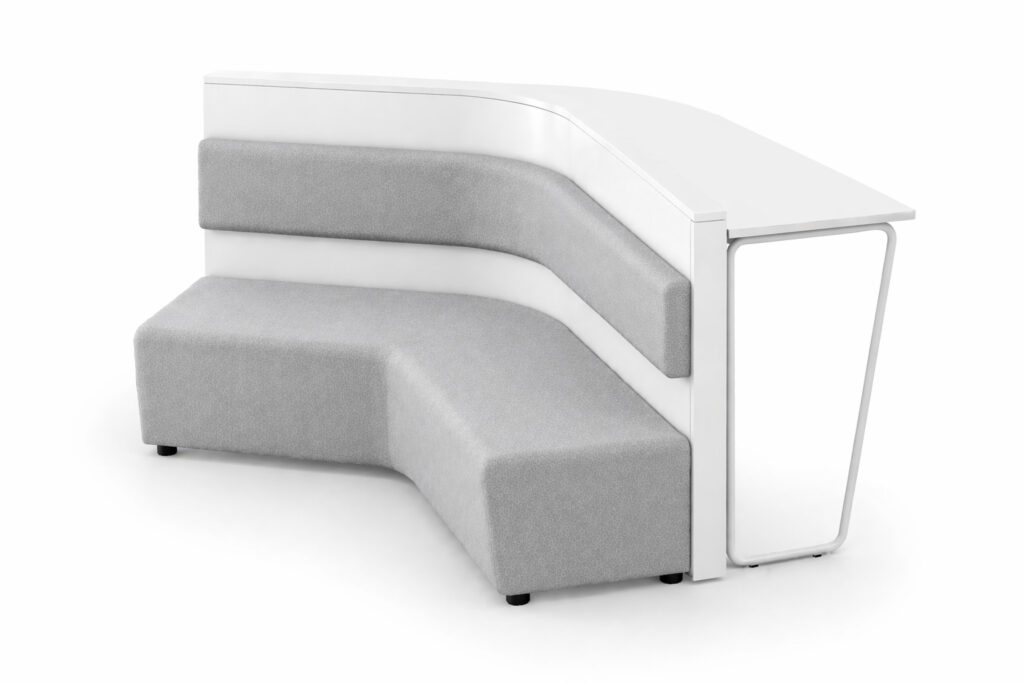
In open-plan environments, modular seating does more than provide somewhere to sit. Thoughtfully specified systems incorporate high backs and upholstered panels that absorb sound, reducing reverberation and creating pockets of relative calm within busy spaces. This matters profoundly for cognitive performance – open spaces can reduce concentration by up to 60%, and for the one in five people who experience sensory processing differences, unmanaged acoustics create genuine barriers to comfort and productivity. The soft geometry and tactile fabrics characteristic of well-designed modular seating contribute to environments that feel instinctively calmer and more human.

Practical considerations for specification

When selecting modular office seating, consider how connections between units work – robust linking mechanisms ensure configurations stay stable under daily use. Think about the range of components available: corner units, benches, single seats, integrated tables and power modules all expand what’s possible. Upholstery choices should balance aesthetic intent with practical durability, particularly in high-traffic areas. And consider future flexibility – investing in a system with a broad component library means your initial specification can grow and adapt for years to come.

Frequently asked questions

How difficult is it to reconfigure modular seating once installed?

Most modular systems are designed for straightforward reconfiguration without specialist tools. Units typically connect via brackets or interlocking mechanisms that facilities teams can manage in-house, making it practical to adapt layouts as needs evolve.

Can modular seating help with acoustic problems in open-plan offices?

Yes – high-backed modular configurations and densely upholstered sections absorb sound and reduce reverberation. While they won't replace dedicated acoustic treatment, they contribute meaningfully to creating quieter zones within larger spaces.

What should we consider when planning power and connectivity?

Many modular systems offer integrated power modules and USB charging as optional components. Plan cable routing early in the specification process, and consider how power access points align with likely seating positions and user behaviour.

Is modular seating suitable for reception and waiting areas?

Absolutely. Modular configurations work particularly well in reception spaces where first impressions matter and visitor numbers fluctuate. The ability to create generous, welcoming arrangements – then adapt them for events or changing footfall – offers both aesthetic and practical advantages.

How do we ensure colour and fabric consistency when expanding a system later?

Work with manufacturers who maintain consistent fabric collections and can guarantee material availability over time. Keeping records of original specifications – including fabric codes and colourways – ensures future additions match seamlessly.